
Repetition Alone Doesn’t Make Motor Learning Last. These Research-Backed Signals From the Body May Help
A new study suggests that stimulating nerve impulses may help the brain better retain recently learned motor skills.

Practicing a motor skill over and over may improve performance in the moment, but new research suggests repetition by itself isn’t always enough to make learning stick.
A recent study published in iScience found that stimulating the vagus nerve after training sessions significantly improved long-term motor learning in mice, even though it produced little immediate improvement in performance during the training itself.
The results suggest that signals originating outside
The results suggest that signals originating outside the brain may play a crucial role in determining whether newly acquired motor skills endure or fade away.
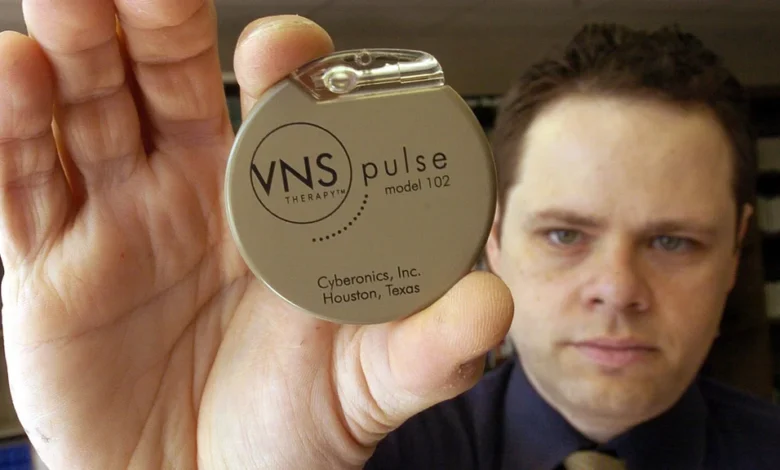
The vagus nerve is a major communication pathway between the brain and the rest of the body, carrying signals to and from organs, including the heart, lungs, and digestive tract, helping regulate immune response and mental health. Scientists have increasingly been looking at whether stimulating the nerve can influence learning, memory, and other brain functions.
Refreshed leadership advice from CEO Stephanie Mehta
An Inc.com Featured Presentation
The work, led by scientists at Tohoku University in Japan, focused on a little-studied phase of learning: what happens after practice ends. Rather than delivering vagus nerve stimulation (VNS) during training, researchers applied it after mice completed a motor-learning task.
The key point is that VNS was delivered
“The key point is that VNS was delivered only after training,” said Professor Ko Matsui, the paper’s senior author. “Our findings suggest that VNS may open a hidden window of opportunity for enhanced learning by making the brain environment more receptive to long-lasting change.”
Researchers used a visual tracking task known as the horizontal optokinetic response, a form of motor learning associated with eye movements and the cerebellum, a region of the brain involved in movement coordination and adaptation.
Source: www.inc.com