

–:– / –:–
This voice experience is generated by AI. Learn more.
This voice experience is generated by AI. Learn more.
Summary
Shein is finally launching its Hong Kong IPO on September 1st, aiming to raise $1.8 billion and valuing the company at $27 billion, a sharp decline from its $100 billion peak. This move follows years of stalled attempts to list in the US and London due to regulatory hurdles concerning supply chain transparency and data ownership. The fast-fashion giant now faces significant challenges, including increased operating costs, intensifying competition, and severe regulatory scrutiny over its supply chain, product safety, and intellectual property. Its reputation has also been tarnished by fines and controversies. Investors are closely watching the IPO, weighing Shein’s sharply slowing revenue growth and declining profitability against these persistent issues, making the stock’s future uncertain.
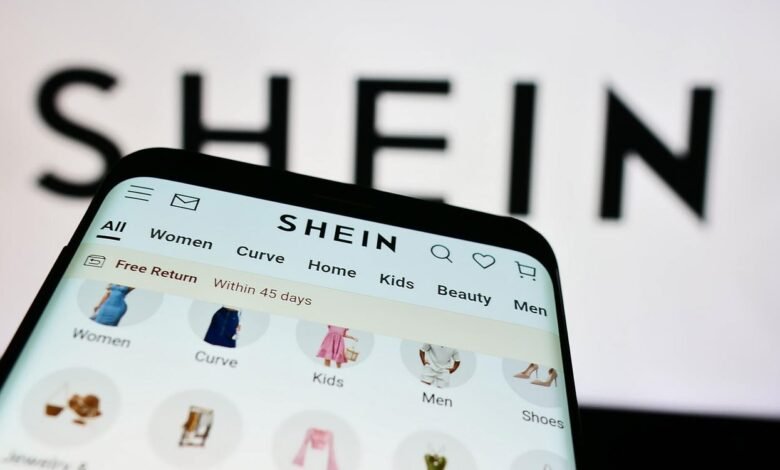
Shein is going public in the Hong Kong stock exchange on Sept 1st, valuing the company at around $27 billion
SOPA Images/LightRocket via Getty Images
After much speculation, Shein is finally launching its Hong Kong IPO, with shares trading starting September 1st. According to Reuters, the company is set to raise up to $1.8 billion ($13.86 billion in Hong Kong dollars), which would value the company at around $27 billion, a fraction of its peak 2022 valuation.
The news comes after years of stalled attempts
The news comes after years of stalled attempts to list on the New York and London stock exchanges. Those plans ran into regulatory hurdles, including concerns around supply-chain transparency and data ownership in the U.S., while China’s securities regulator did not approve the proposed London listing. Hong Kong ultimately became the apparent solution, allowing Shein to list closer to its Chinese regulatory base while gaining access to international investors.
But the tailwinds seem to have changed for a company that, at its peak, was valued at nearly $100 billion.
The drop in Shein’s valuation should not come as a surprise to investors, who witnessed the limitations of Shein’s fast-fashion business model in the past three years. After benefiting from major post-pandemic growth and an appetite for ultra-low prices, Shein had to face changes in U.S. legislation around the import of low-value packages in the country. That led to increased costs, adding on to an increase in shipping and other operating costs since 2023.
Price increases and intensifying competition from players such
At the same time, price increases and intensifying competition from players such as Temu and Amazon — both of which have expanded their low-price fashion offerings — as well as from Inditex, which has continued to strengthen its digital capabilities, have put pressure on the fast-fashion giant.
To add to that, some of the elements that made Shein’s model so competitive are now, product-safety concerns and allegations of intellectual-property violations have all attracted fierce criticism
This year alone, Shein faced a $26 million fine in France for violating consumer-protection rules around order confirmations, return procedures and mandatory environmental information. In 2025, its reputation also took a hit after French authorities found child-like sex dolls and other prohibited products being sold on its marketplace, which led the country filing to ban the platform altogether. The attempt was rejected by the Paris court of appeal, but the fast-fashion giant’s reputation was not left unharmed.
Overall, the sharp decline in Shein’s valuation
Overall, the sharp decline in Shein’s valuation is not so much due to an inherent disbelief in its potential. It has more to do with the fact that investors are placing less value on its future growth, which is slowing sharply: Shein went from adding roughly $9 billion of revenue in 2024 to adding only about $3 billion in 2025. Its revenue grew just 1.1% year-on-year in the first quarter of 2026.
Profitability has also come under pressure: Shein’s operating profit fell 26% in the first quarter to $258 million from a year earlier, while operating margin narrowed to 2.9% from 3.9%, as marketing and fulfillment costs rose while sales barely grew.
To fuel its IPO, Shein is selling around 280 million class B shares, which will start trading on September 1st. The final IPO price will be announced on August 31st. Appetite for the stock remains to be seen, particularly as investors weigh Shein’s future growth against ongoing regulatory investigations, rising costs and a tarnished reputation.
Editorial StandardsReprints & Permissions
LOADING VIDEO PLAYER…FORBES’ FEATURED Video
Source: www.forbes.com