Paul Newman Gave Away 100 Percent of His Profits. A New Generation of Founders Wants to Do the Same

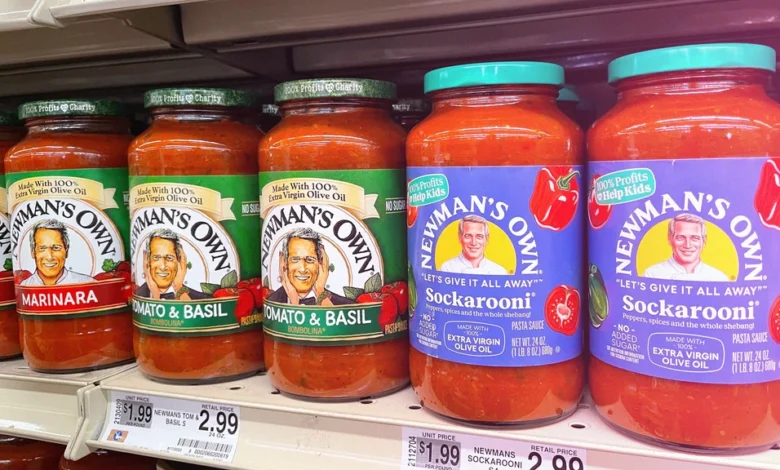
Some donate 20 percent of profits—while others give everything away. Each is updating Paul Newman’s radical model for today.

Newman’s Own, the company actor Paul Newman co-founded with author A.E. Hotchner in 1982, set the standard for cause-driven business models.
The venture, which began when Newman started selling homemade salad dressing to friends, quickly turned into something more radical when he decided to give away all the profits rather than keep them.
That commitment eventually became permanent: 100 percent
That commitment eventually became permanent: 100 percent of after-tax profits from the business are locked in through nonprofit ownership, meaning no founder or shareholder ever profits personally from the company itself.
Decades later, a new wave of founders has invoked that legacy. It’s something Newman’s Own is championing.
Refreshed leadership advice from CEO Stephanie Mehta
An Inc.com Featured Presentation
To encourage more businesses to follow its lead, Newman’s Own Foundation launched a “100% for Purpose” club in 2025, aimed at recruiting the next generation of companies willing to build their businesses around giving—not just growing.
Over time, the commitment has been scaled down
Over time, the commitment has been scaled down in some cases to fit smaller, venture-backed, or founder-led businesses, which allot a fixed percentage of profits—rather than the full amount—to charity. Such a move is seen as a more practical way to build purpose into a business that still needs to raise capital, turn a profit, and foster community along the way.
WellWithAll, a health and wellness brand best known for its low-calorie energy drink line, reinvests 20 percent of its profits into community health-equity initiatives. Founder Demond Martin directly cited Newman’s Own as inspiration for that structure, describing it as a way to “help society in those areas around health equity that are so desperately needed in the moment.”
Source: www.inc.com