


If you’ve ever stood by a shelf or paused mid-scroll to debate the merits of collagen vs. collagen peptides, welcome to the club. Ever since the role of collagen—a key protein in the skin that effectively serves as its scaffolding, keeping it firm and smooth—came to the forefront, it’s become a sought-after ingredient in both topical skin-care products and oral supplements alike. That’s because your own natural stores of collagen break down over time, destroyed by years of sun exposure, sugar consumption, and natural wear-and-tear. It’s understandable, then, that you might want to replace it.
However, re-upping your skin’s natural supply of collagen isn’t quite as simple as ingesting or slathering oneself in more collagen. Here’s what you can do to bolster your skin’s natural stores of the sought-after protein.
Vogue’s Favorite Products to Stimulate Collagen Production
- The Clinically-Studied Collagen Peptides: AlgaeCal Collagen Peptides, $62
- The Collagen Cream: Paula’s Choice Pro-Collagen Peptide Plumping Moisturizer, $49
- The Peptide Serum: Medik8 Liquid Peptides Advanced MP, $95
- The Growth Factor Cream: Neocutis Bio Cream Firm, $188
- The Collagen Peptide Powder With Skincare: Vital Proteins Collagen Peptides Advanced, $43
Which is better to take, collagen or collagen peptides?
Experts have long been reluctant to wholeheartedly endorse collagen supplements, but the tide may finally be turning. “I’ve become more open to collagen supplementation as the research has accumulated,” says Melanie Palm, M.D., a board-certified dermatologist in La Jolla, CA. While there haven’t been any strong or definitive studies showing that oral collagen—which itself is a large molecule and likely gets broken down into amino acids and other byproducts in the gut—has any impact on skin, the evidence on collagen peptides is more compelling.
Unlike collagen supplements, collagen peptides typically use “hydrolyzed” collagen, meaning it’s been broken down into peptides (molecules that, in general, are important for stimulating collagen and elastin production, boosting hyaluronic acid levels, and carrying out other tasks in skin). And “several studies and reviews have found that hydrolyzed collagen peptides taken consistently may modestly improve skin hydration and elasticity and, in some studies, the appearance of fine lines or wrinkles,” says Dr. Palm. However, she adds, the key word is “modestly.” Drinking collagen for a month won’t transform your skin.
It helps to know what happens when you actually take a collagen supplement. Once you drink it, your digestive system breaks down that collagen, “providing the body with amino acids that can be used as building blocks for collagen synthesis,” says Jenna Queller, M.D., a board-certified dermatologist in Boca Raton, FL. Your body can then use those building blocks to renew and strengthen your skin, your muscle, your bones, or other tissues—but there’s no guarantee that they’ll go straight to your laugh lines, for example.
As a result, both dermatologists stress that collagen peptide supplements are nowhere near a substitute for a thoughtful skin-care and wellness routine. “I consider it an adjunct, not a replacement for a balanced diet, sunscreen, retinoids, or other evidence-based skincare,” says Dr. Palm.
How to Get More Collagen
If you’re aiming for firmer skin, your best bet is to pair collagen peptide supplements with a collagen-minded skin-care routine. However, it’s worth being discerning in this arena as well. “Collagen molecules are generally too large to penetrate deeply into the skin and directly replace the collagen that is lost with aging,” explains Dr. Queller. Again, hydrolyzed collagen is more likely to absorb—but even so, these ingredients “are primarily supporting hydration and the appearance of the skin rather than rebuilding the deeper collagen matrix,” she says.
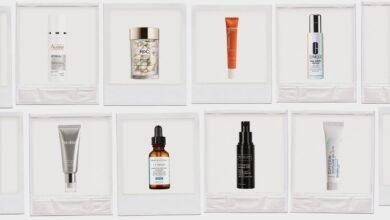
One strategy is to seek out ingredients that spur your body’s own collagen production, such as retinoids and peptides. Dr. Palm recommends Neocutis Bio Cream Firm for this reason. “It combines peptides and growth factors rather than relying on topical collagen itself,” she says. “It’s designed to support collagen and elastin production while also improving hydration and the overall quality of the skin.”
Paula’s Choice Pro-Collagen Peptide Plumping Moisturizer also relies on peptides to trigger collagen production in skin—and doubles as a lightweight moisturizer—while Medik8 Liquid Peptides Advanced MP pairs peptides with growth factor-derived proteins to boost the levels of collagen, elastin, and hyaluronic acid in skin. Medicube’s Collagen Jelly Cream, for its part, pairs hydrolyzed collagen and elastin with humectants to quickly hydrate and plump skin.
Bio Cream Firm
Pro-Collagen Peptide Moisturizer
Liquid Peptides Serum
Jelly Cream
For oral collagen peptides, meanwhile, it’s worth seeking out hydrolyzed collagen peptides from a reputable manufacturer that does third-party testing, says Dr. Palm; she also recommends looking for options that are low in sugar or filler ingredients. Vital Proteins is known for its high-quality ingredients, and includes other skincare ingredients (like vitamin C and hyaluronic acid) for extra support. Ancient Nutrition’s Collagen Peptides Powder, meanwhile, includes a combination of hydrolyzed collagen types to support hair, skin, and nails.
Dr. Queller, who takes collagen every morning in her daily coffee, does a deep dive on ingredients. “I look for specific collagen peptides that have clinical evidence supporting their benefits, including Verisol, which has been studied for its role in supporting skin elasticity and the appearance of fine lines, and Fortibone, which has been studied for its role in supporting bone collagen,” she says. AlgaeCal Collagen pairs these two ingredients in a single formula, while Sparkle Wellness’s Collagen Powder pairs Verisol’s collagen peptides with vitamin C and hyaluronic acid.
Collagen Peptides Powder
Hydrolyzed Peptides Powder
Collagen Peptides
Skin Boost Plus
What are the signs that collagen is working?
Be prepared to wait. “Collagen isn’t something where you should expect to wake up a week later and suddenly see tighter skin,” says Dr. Palm. Even in studies of oral collagen peptides, the results were typically measured after eight to 12 weeks of consistent use, she adds. And even after that, your skin may feel more hydrated or supple, but the difference in wrinkles may be much subtler.
Not only that, but depending on your concerns, you may be looking more at maintaining your current skin health versus seeing any dramatic reversal. And keep in mind: “Like many aspects of skincare, collagen supplementation is a long-term commitment,” says Dr. Queller. “The goal is not an overnight transformation, but helping maintain healthier, more resilient skin over time.”
Everything You Need To Know
When we test and review a product, we take a holistic approach to deliver well-rounded product recommendations. First, we lean on Vogue’s vast network of experts—from board-certified dermatologists to celebrity estheticians—to gain professional acumen on the industry’s standout products, ones these specialists would actually use on their clients. We pair their expertise with our editorial best practices to curate the thoughtful edits you read on our site.
As it relates to collagen peptide supplements, we selected the best based on the following characteristics: types of collagen, collagen per serving, third-party testing, clinical studies associated, form, and taste. And for topical collagen skincare, we selected the best based on ingredients, texture, ease of application, and the skin-care concerns they address. To do this, we paired our own personal tests of each formula with expert guidance and reviewer insights to determine which we would recommend to you.
- Melanie Palm, M.D., is a board-certified dermatologist in La Jolla, CA
- Jenna Queller, M.D., is a board-certified dermatologist in Boca Raton, FL
Source: www.vogue.com




4 Comments