

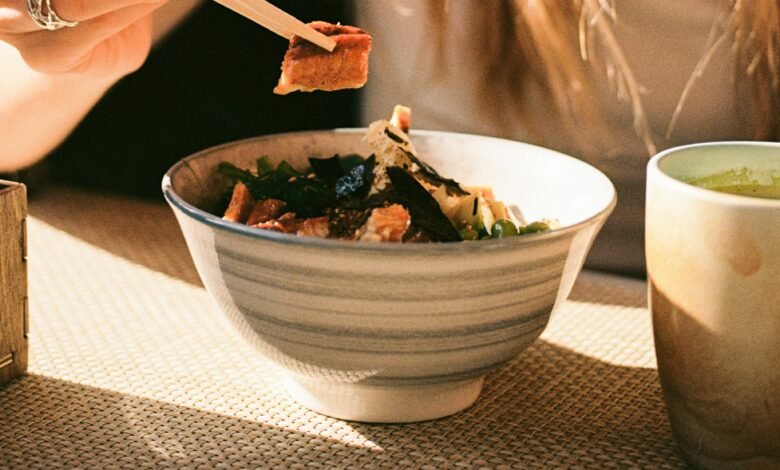
Breakfast, as we know, provides a strong base for maintaining a healthy gut. But it doesn’t stop there. Being mindful of what you eat for lunch is just as important for gut healthy as thinking about what you should eat first thing in the morning. “Lunch needs to do double duty: nourish your gut and carry you through the rest of your workday without an energy crash,” says Real Nutrition founder Amy Shapiro, RD.
Lunch sits in the middle of your eating window, so it’s a key opportunity to keep your microbiome fed and your digestion steady through the afternoon.”
Shapiro adds that the right lunch can prevent bloating and that mid-afternoon sluggish feeling that you sometimes get from certain midday meals. If you consistently eat gut-supportive lunches that offer more stable digestion and reduced inflammation, it’s going to pay off in the long run.
“These benefits compound day to day rather than showing up after a single meal,” she says. Ingredients to look for (and avoid)
One of the most important ingredients to look out for is fiber. Shapiro explains that fiber feeds the beneficial bacteria in your microbiome. Sports dietitian Roxana Ehsani, MS, RD, agrees and adds that fiber-rich foods such as fruits, veggies, beans, lentils, whole grains, nuts, and seeds will slow down digestion and prevent constipation.
She says you’ll also want to look
She says you’ll also want to look for probiotics. Foods like yogurt, kefir, sauerkraut, kimchi, miso, and kombucha contain these microorganisms that will add good bacteria to our digestive tract and promote a better gut. Anti-inflammatory foods such as salmon, walnuts, chia seeds, and some fruits and veggies, she says, can reduce inflammation and protect the gut barrier. “I look for a combination of fiber, protein, and healthy fat at lunch specifically, since that combination slows digestion, stabilizes blood sugar, and keeps you satiated for hours,” says Shapiro.
“Which matters more at midday than at breakfast, when you’re often eating again within a few hours anyway.”
Best lunches for gut health
With all that in mind, some of the best and easy lunch options for your gut health include:
Greek yogurt with berries and chia seeds
Greek yogurt is one of the most popular probiotic food option that you can incorporate into your lunch. Shapiro adds that it makes for an easy base to add fruit, like polyphenol- and fiber-rich berries, and chia seeds.
You can also add walnuts and almonds, which offers fiber and healthy fats as well as crunch and texture to your yogurt meal. Or, if you’re looking for a more hearty drink option, turn to kefir for a probiotic base. Leafy green salads
Leafy greens come with many benefits. Ehsani says that leafy greens like kale, spinach, arugula, and collards are nutrient-riche inflammation and support your gut
Leafy greens are so versatile, she says
“Leafy greens are so versatile,” she says. “Toss them in a bowl or tupperware, and top with whatever toppings you have to build a salad.” Shapiro agrees and says you can also add a food like avocados, which has fiber and anti-inflammatory fats, to support your gut lining. Baked sweet potatoes
Ehsani says that sweet potatoes contain both insoluble and soluble fiber, which slow digestion and prevent constipation—all good things for a healthy gut.
They also contain vitamin C and A, which have antioxidant and anti-inflammatory properties. Plus, they’re extremely versatile and can be prepared quickly and easily. You can bake them, use them as a base for a bowl, add them to salads, or stuff them with different veggies or proteins. Kimchi
Fermented foods like kimchi are not only rich
Plus, it adds delicious flavor and texture (and sometimes a bit of a spicy kick) to your meals. Try making kimchi fried rice and topping it with an egg for extra protein, or finishing a refreshing rice bowl of tinned fish and avocado with a generous handful of kimchi. Lentils and chickpeas
Lentils and chickpeas are what Shapiro calls prebiotic powerhouses that feed the good bacteria our guts need and offer protein.
(They’re inexpensive too, she says)
(“They’re inexpensive too,” she says). Ehsani affirms this and points to studies that show they can reduce gut inflammation and strengthen the gut barrier. Another versatile food, she says you can eat them as is or add them into soups, salad, and grain bowls. You can also use them as a filling in wraps or mash them on top of a slice of avocado toast. Bone broth soup
Shapiro says that bone broth can support our gut health thanks to the collagen and amino acids that soothe our gut lining.
Quinoa and roasted veggies
Quinoa comes with many benefits. Shapiro says the hearty grain offers fiber and is gentler on your blood sugar levels than other grain options. Mix in roasted vegetables such as broccoli, Brussels sprouts, or sweet potatoes for added polyphenols and fiber. Try drizzle some olive oil over your plate too, as it has anti-inflammatory fats to support your gut lining and makes for an easy dressing option.
Miso soup
The traditional Japanese seasoning is fermented, so it provides good bacteria for your gut microbiome. It adds flavor to a number of different recipes, but we especially love a soothing miso soup option that’s both filling and delicious. Other things to consider
Just like the best breakfasts for your gut health, it’s important to think about variety in your diet as opposed to focusing on one single ingredient.
A diverse microbiome thrives on diverse plant fibers,
“A diverse microbiome thrives on diverse plant fibers,” Shapiro explains. “Rotating what’s on your plate throughout the week is more impactful than eating the ‘perfect’ gut food everyday.” Ehsani agrees, and there’s the science to back it up: she points to studies that show eating a variety of plants (veggies, fruits, whole grains, etc.) can build a strong gut. And don’t forget to hydrate.
Both Shapiro and Ehsani say that water is essential for fiber to do its job and to keep things flowing through your digestive tract. Happy lunching! Curious about a beauty or wellness trend? We want to know! Email Vogue’s senior beauty and wellness editor at beauty@vogue.com.
Source: www.vogue.com