
He Left Nike After 20-Plus Years to Build His Own Sportswear Brand. It Grew 743 Percent Over 3 Years

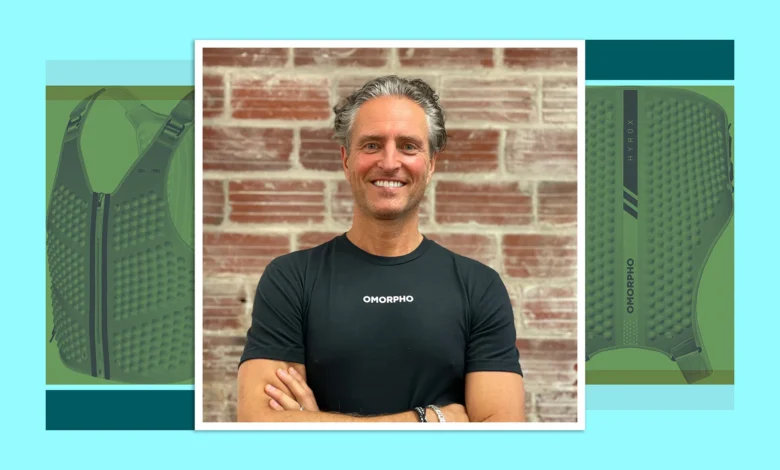
Omorpho founder and CEO Stefan Olander learned a crucial design lesson from Steve Jobs during a Nike partnership with Apple.

Omorpho founder Stefan Olander. Illustration: Inc; Photo: Omorpho
Stefan Olander came up with the idea that would later inspire his Portland, Oregon-based sportswear brand Omorpho during an intensive Crossfit workout in 2014.
Every Memorial Day, Crossfitters do a workout called “Murph” that consists of a one mile run, 100 pull-ups, 200 push-ups, and 300 air squats, followed by another mile run, and requires athletes to wear a weighted vest if they have one. It honors a U.S. Navy SEAL named Lieutenant Michael Murphy who sacrificed his life during a reconnaissance mission in Afghanistan.
Olander had done it several times vest-free
Olander had done it several times vest-free. “And then, one year, a friend of mine said, ‘We’re going to do it the right way this time,’” he says. “It almost killed me because it’s so much harder.”
Olander was blown away, first by how difficult the workout became with added weight, and second by how “ugly and uncomfortable” his vest was. After doing some research, he discovered there weren’t any well-designed weighted vests on the market. In fact, he says brands didn’t even sell them in colors other than black at the time.
The daily digest for entrepreneurs and business leaders
An Inc.com Featured Presentation
In a Crossfit gym, working out while wearing something that fits badly is “almost like a badge of honor,” Olander says. “It’s cool because it’s macho, and you’re supposed to feel that way.” But as an executive at Nike, he knew that isn’t the kind of experience most consumers seek out. “Most people actually want things that are comfortable and beautiful,” he says.

From 2018 to 2021, his team developed prototypes. The process took longer than expected, according to Olander, who serves as CEO, because they were working with factories in Asia when the Covid-19 pandemic hit. During that three year period, Dr. Erin Feser—whose PhD in sport and exercise focused on the impact of microloading, or working out with a small amount of extra weight—joined the brand as its head of science. Her research lined up with another hypothesis of Olander’s: that microloading could help people burn more calories through exercise.
Source: www.inc.com