

Winning doesn’t change your principles. It reveals them.
EXPERT OPINION BY MOSHE ENGELBERG, PHD, SPEAKER, EXECUTIVE COACH, AND AUTHOR OF “THE AMARE WAVE” @MOSHEENGELBERG

When you’re on top, protecting your advantage can feel like common sense. Disney built an empire on public-domain stories. Then, it fought to extend copyright once Mickey was worth billions. Medieval guilds guarded the knowledge that kept outsiders from competing. Twitter tightened access to its open API after its ecosystem became valuable.
However, when you’re the one trying to catch up, openness and access look like the fairer and more principled way to run things.
AI’s biggest power struggle isn’t just about technology
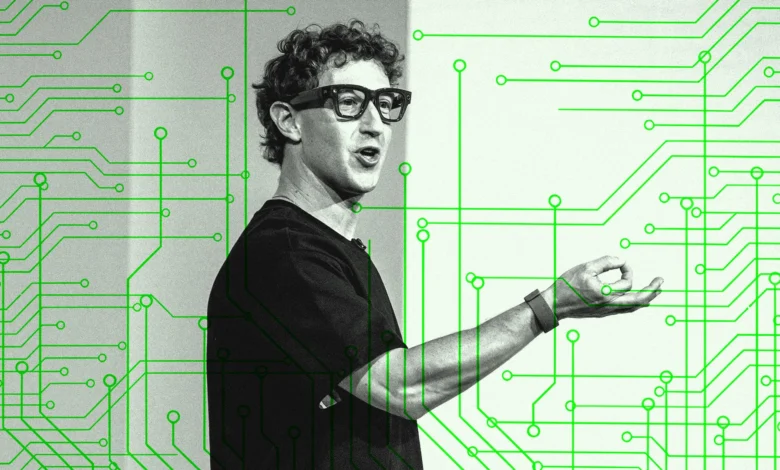
This week, Mark Zuckerberg published a 6,500-word essay arguing that advanced AI should belong to everyone, not be controlled by a handful of powerful labs. Meta paired the argument with a new open-erberg may believe every word of it
Here’s what makes the example interesting. Meta is behind and has made aggressive investments to catch AI leaders OpenAI and Anthropic, including roughly $14.3 billion for a 49 percent stake in Scale AI.
Refreshed leadership advice from CEO Stephanie Mehta
An Inc.com Featured Presentation
This month, Meta also began offering access to its more powerful Muse Spark model. Zuckerberg says Meta plans to release the weights for Muse Spark 1.2 as well. Same company. Same week. Is this principle, competitive strategy, or the messy reality of both at once?
There’s always a “good” reason for control
The door almost never closes for a bad reason. It closes for a defensible one, argued sincerely by people who believe themselves. For example, when Facebook tightened access once its platform became indispensable. They cited privacy reasons. That is understandable after the Cambridge Analytica scandal, and maybe not the only driver.
No executive calls a meeting and says, “Great news, everyone. We’ve become powerful enough to abandon our principles.” This is why hypocrisy is harder to spot in ourselves than in somebody else.
Source: www.inc.com