Think Your Liver Heals After You Stop Drinking? Researchers Just Identified a Major Exception

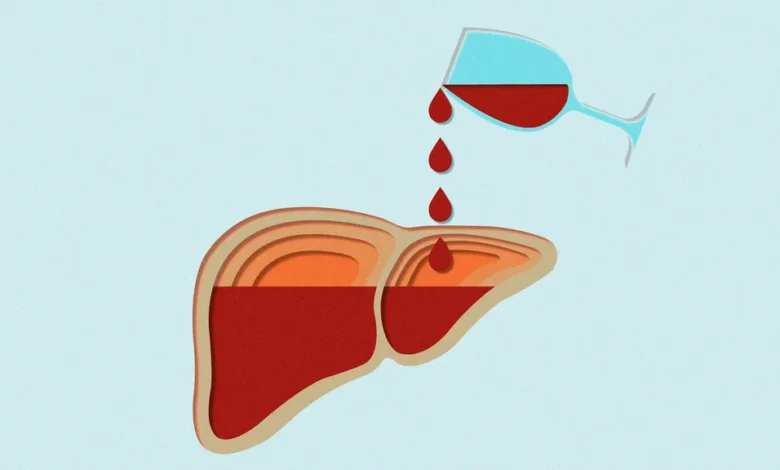
Alcohol-related inflammation can disrupt a key function of the liver. However, researchers recently identified a pathway that could help restore the repair process.

Scientists have just discovered that the liver may not heal—even after you stop drinking.
A new study, published in the peer-reviewed journal Nature Communications, found that excessive alcohol use can permanently interfere with the liver’s capacity to repair and rebuild after injury. The findings suggest that alcohol-related damage can leave the organ’s cells trapped in an abnormal middle state where they are unable to function properly or complete the regeneration process.
The researchers from the University of Illinois Urbana-Champaign,
The researchers from the University of Illinois Urbana-Champaign, Duke University, and the Chan Zuckerberg Biohub Chicago linked the problem to inflammation that disrupts RNA splicing. This is a vital process to turn genetic instructions into working proteins—but they have identified a pathway that could potentially be targeted to restore liver repair.
The liver and regeneration
The liver is an unusual organ because of its regenerative properties. It can restore its cells, under normal circumstances, and has the capacity to change its identity, multiply, and then mature again to restore lost tissue.
Refreshed leadership advice from CEO Stephanie Mehta
An Inc.com Featured Presentation
However, with alcohol associated liver disease, that ability can break down. According to a release, that is the leading cause of liver-related mortality and is associated with roughly three million deaths per year.
Previously, the only treatment for the diseased liver
Previously, the only treatment for the diseased liver was transplantation—but now, that may no longer be the case.
Auinash Kalsotra, biochemistry professor at the University of Illinois, co-led the study along with Anna Mae Diehl, Duke University School of Medicine professor. They continued their research in seeing how molecular processes work to rebuild the liver.
Source: www.inc.com