After a smash-hit debut, IndyCar faces a big question: What’s next for the Freedom 250?

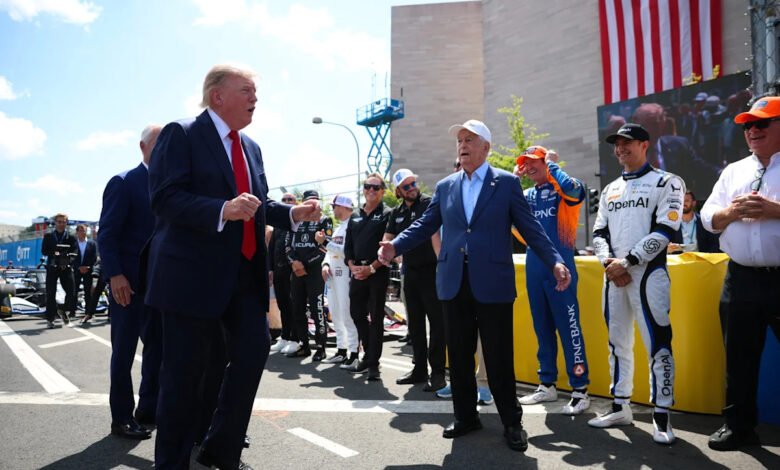
IndyCar president Doug Boles flew from Ontario to Washington, D.C., the evening of Aug. 16 with as much trepidation as he had optimism. Boles, who typically travels to the site of IndyCar’s upcoming race mid-week, wasted no time getting to the nation’s capital ahead of the series’ second-biggest race of the year, the Freedom 250 Grand Prix.
After IndyCar and promoter Green Savoree Racing Promotions made a poor first impression – having to call off Friday’s practice session – at their new street race in Markham, Ontario, it wasn’t clear what awaited for the Freedom 250 Grand Prix, although this race was promoted by Penske Entertainment with assistance from Monumental Sports & Entertainment and Harbinger.
“Honestly, I was worried just because how Canada had gone,” Boles told IndyStar in an exclusive interview.
But after a dinner with Penske Corporation president Bud Denker and the chance to see the 7-turn, 1.7-mile track come to fruition, Boles realized that IndyCar was “in good shape” for Saturday and Sunday’s on-track sessions.
Once President Donald Trump signed an executive order allowing the IndyCar race – which was won by Kyle Kirkwood – to occur around the U.S. Capitol Building, the series had less than seven months to check every box for the new street course. (It typically takes a year, sometimes two, to set up new street circuits.)
Yet the Freedom 250 Grand Prix, which had additional hurdles due to it being on federal government grounds, came and went without any major hiccups. Despite Penske Entertainment also being the promoter for two other street races, the Grand Prix of Arlington and Detroit Grand Prix, it was able to set everything up (including 1,350 pages of permits) for the Freedom 250 Grand Prix.
“If you talk to any of these stakeholders I talk to, you’ll get one common thread and one common theme,” Denker told IndyStar. “And this is not boasting on me, it’s boasting on my team. They will tell you this was the most organized, prepared, and executed event that they’ve had in the city of Washington, D.C.”
1/ 21
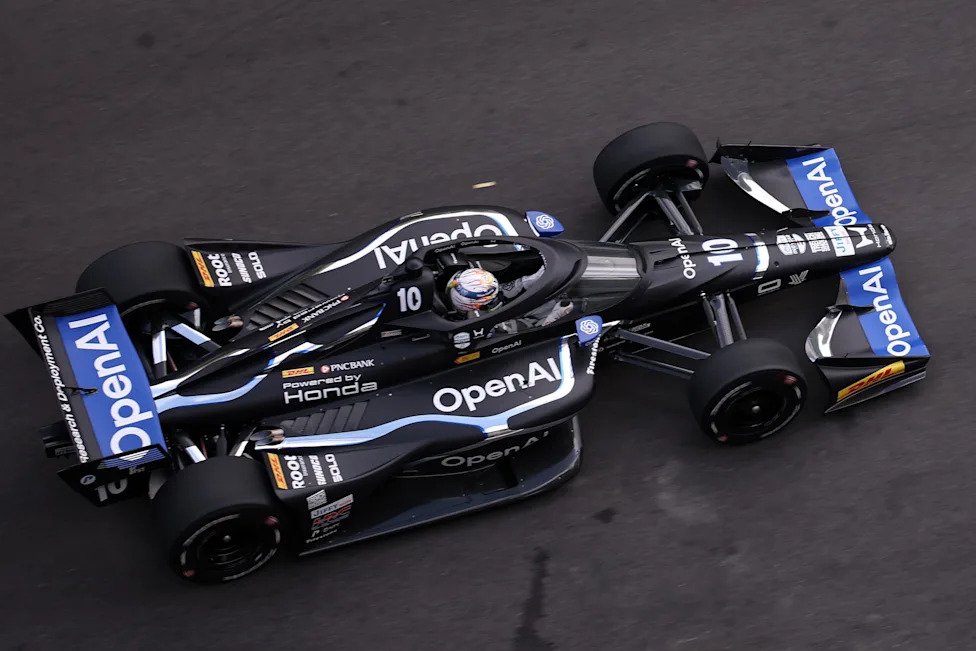
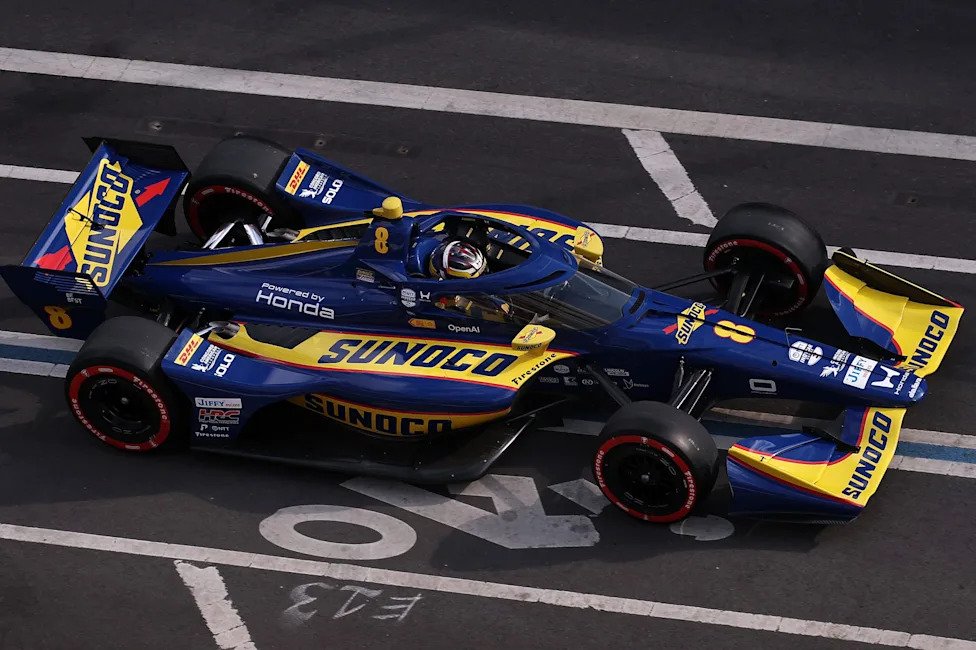
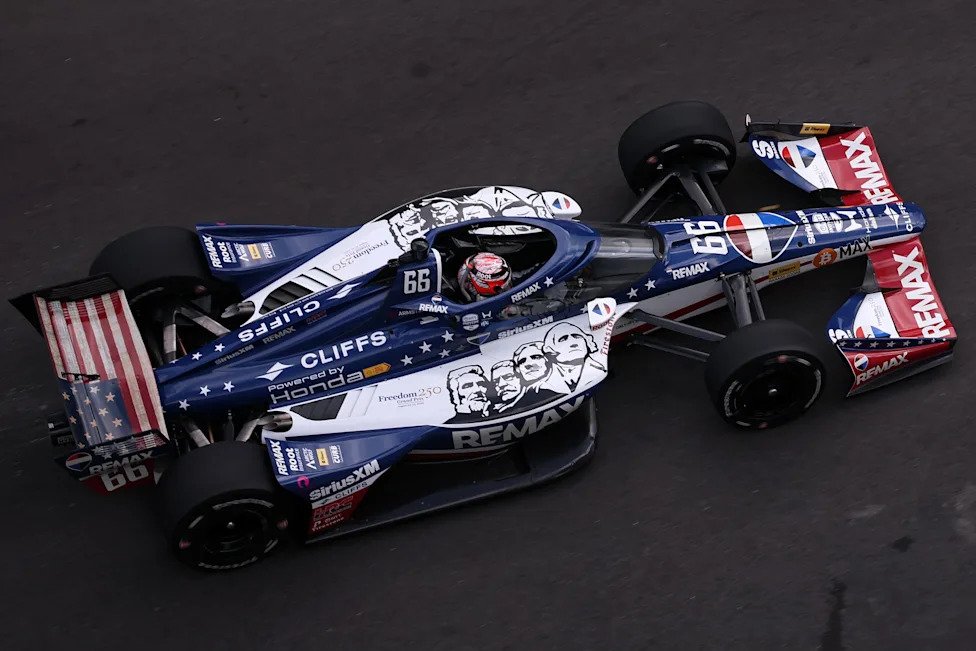
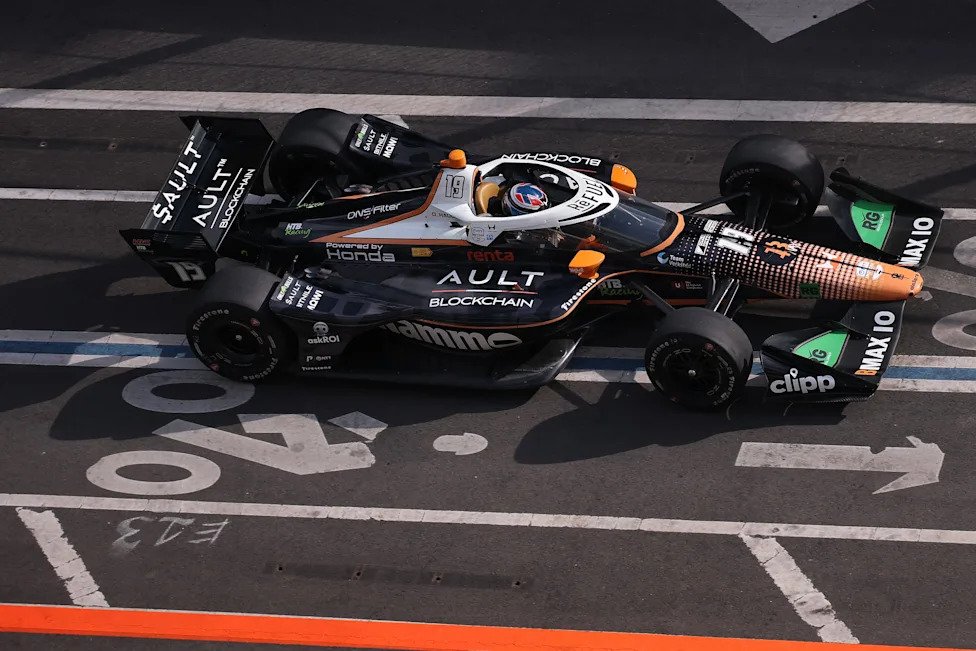
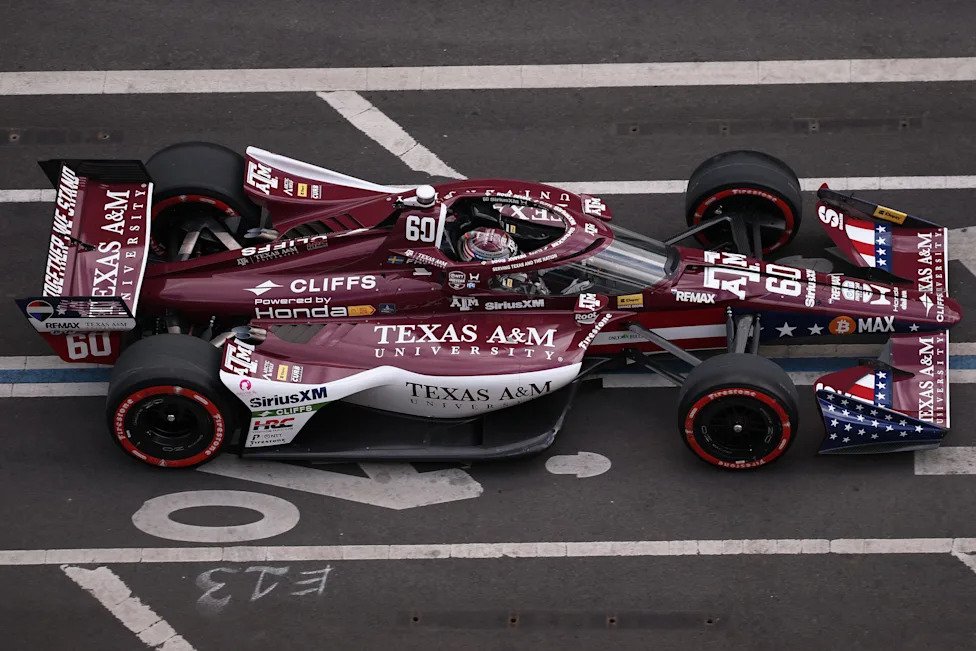
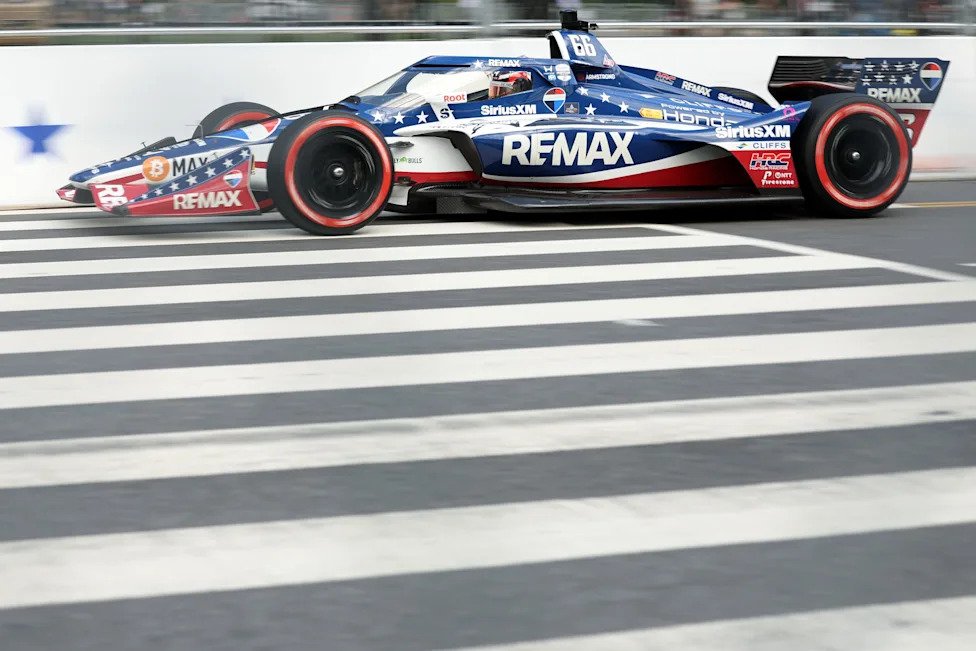
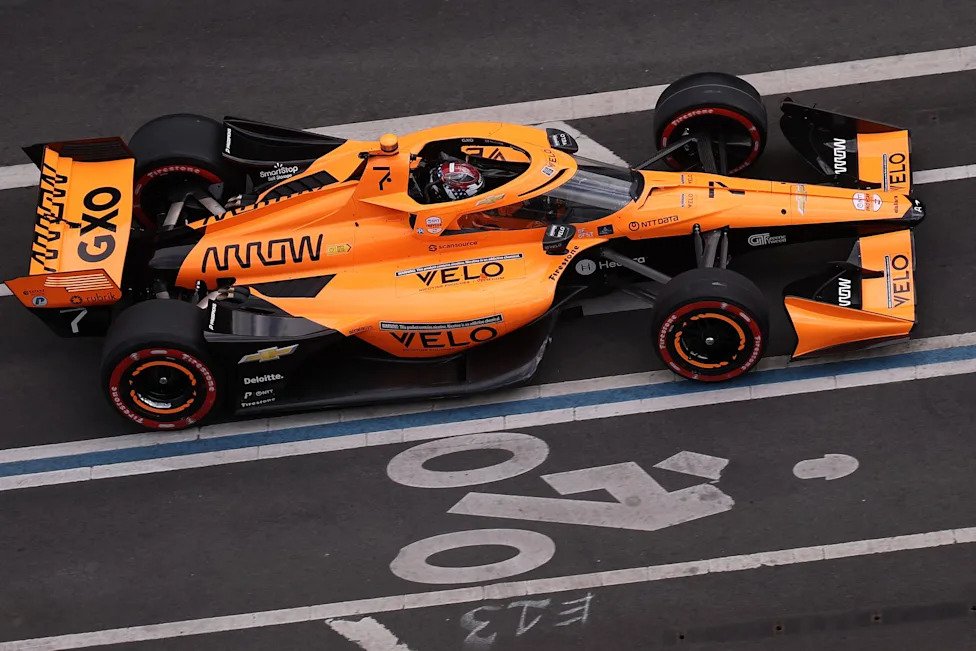
IndyCar DC photos of Freedom 250
2/ 21
3/ 21
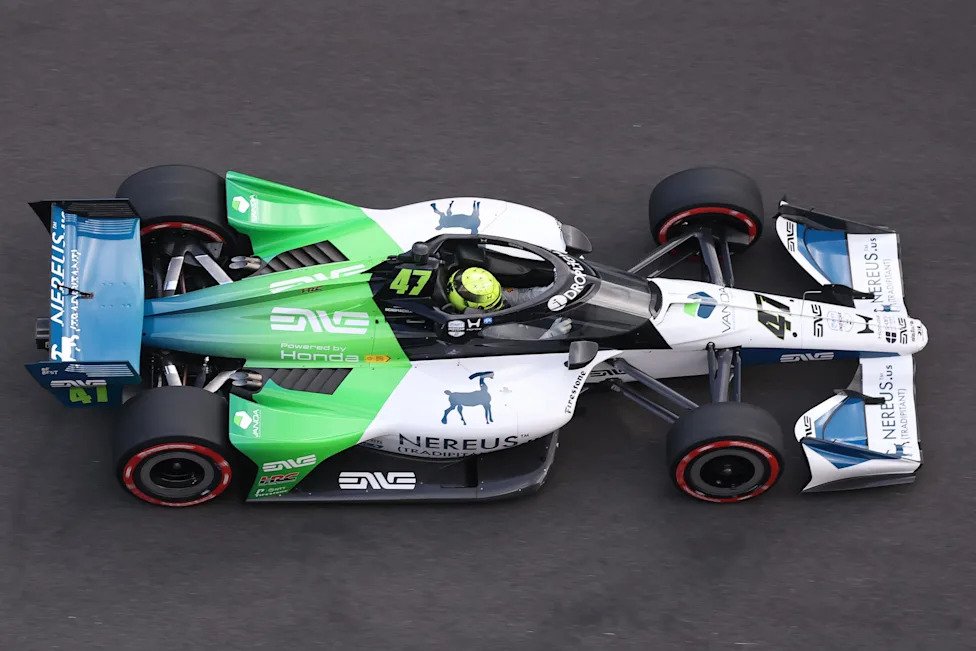
4/ 21
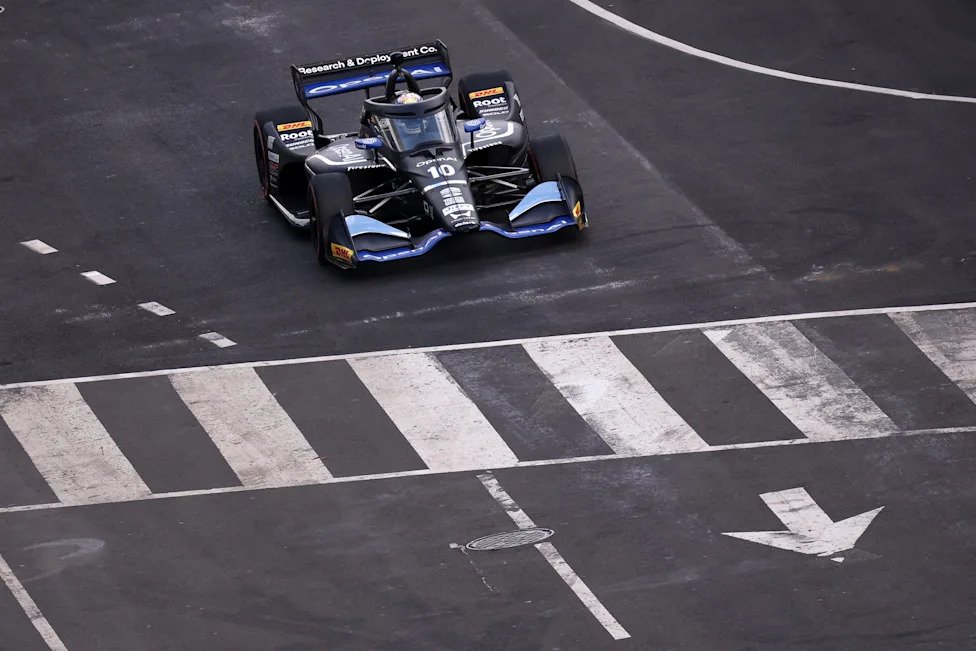
5/ 21
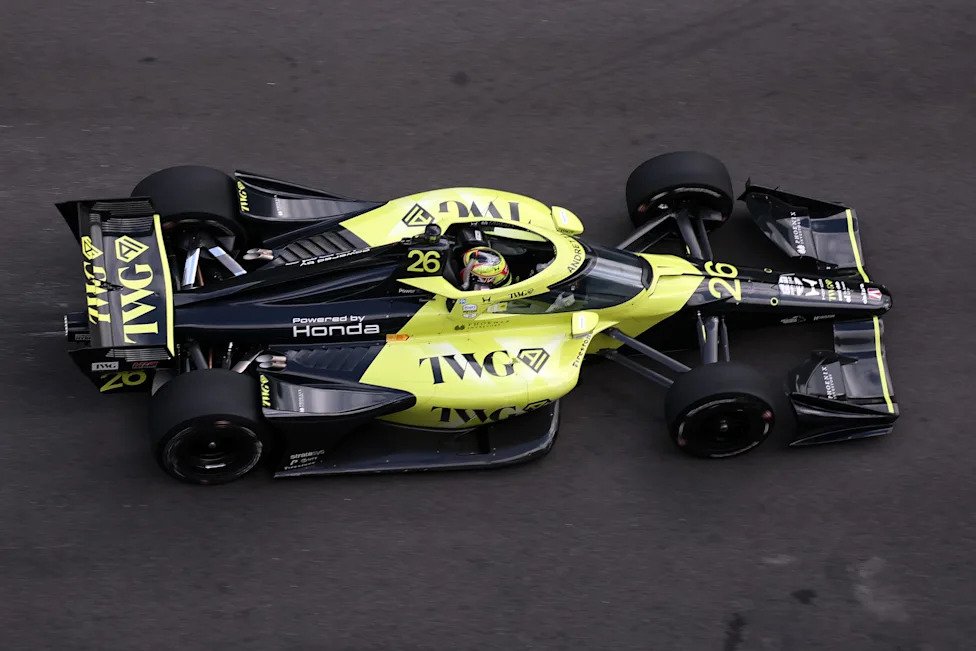
6/ 21
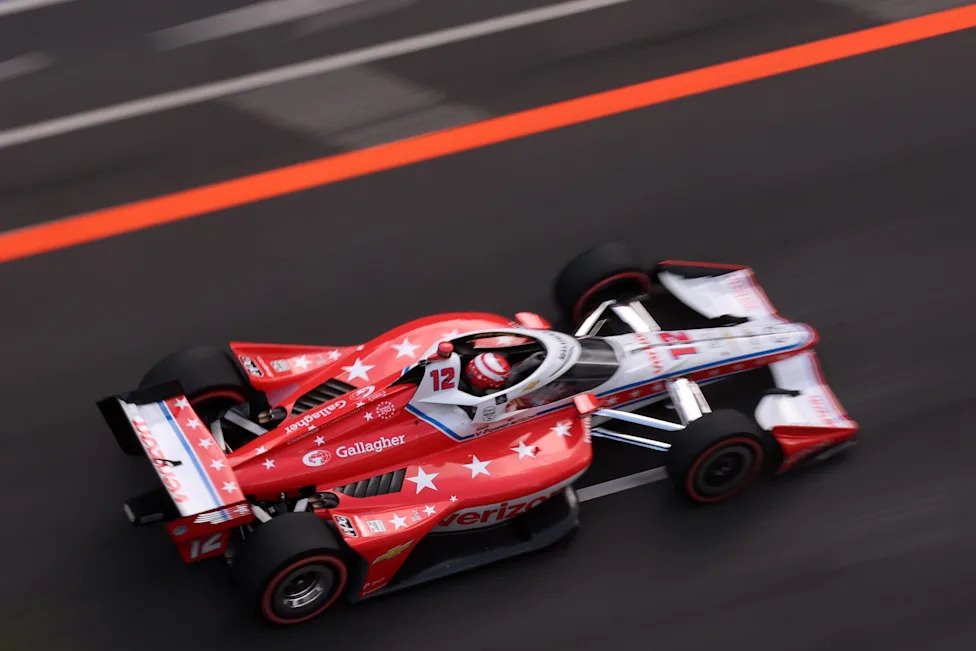
7/ 21
8/ 21
9/ 21
10/ 21
11/ 21
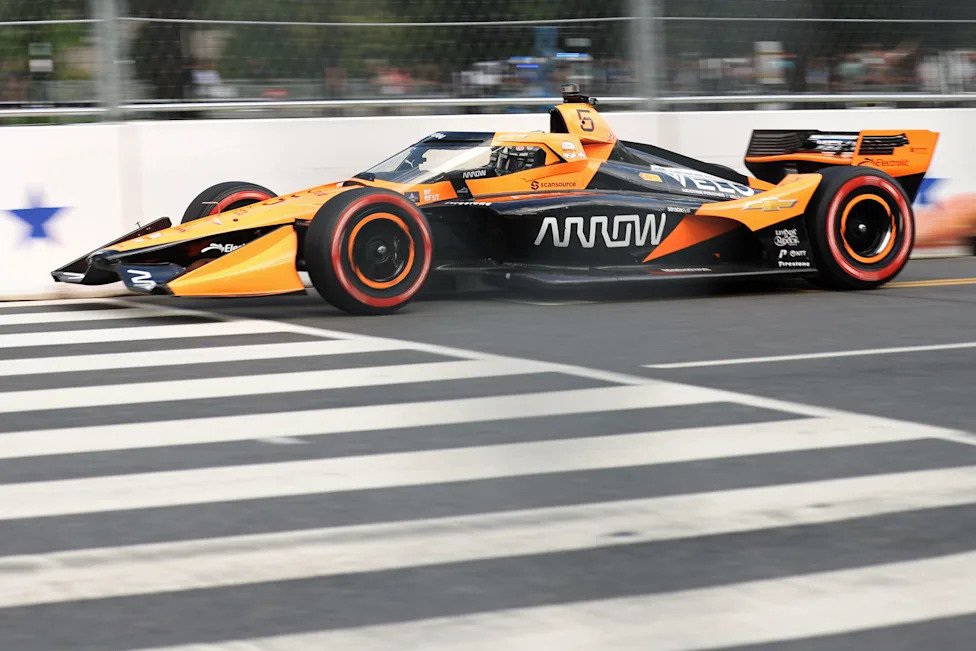
12/ 21
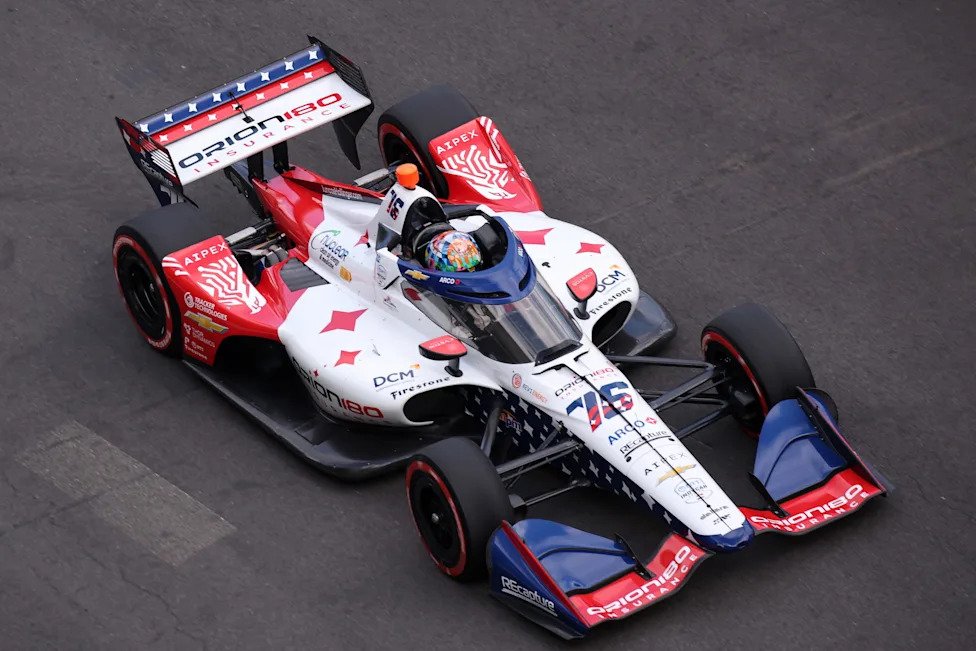
13/ 21
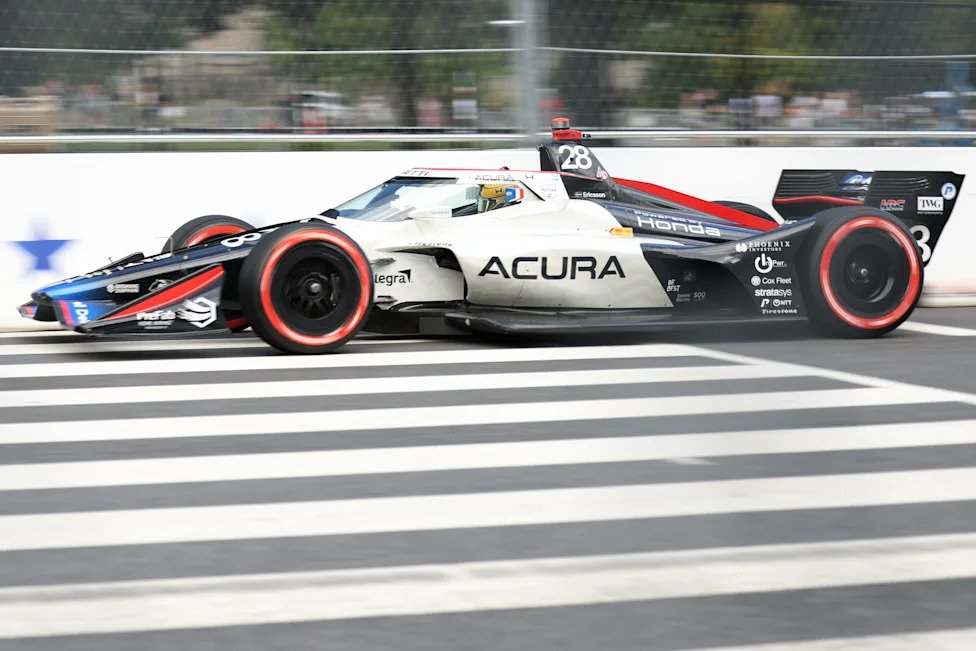
14/ 21
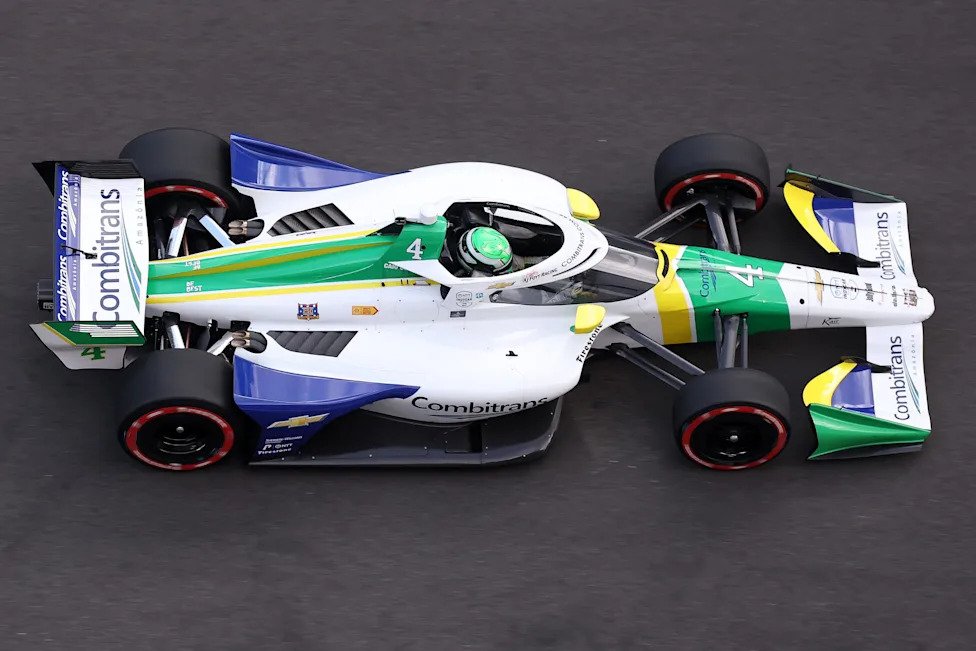
15/ 21

16/ 21

17/ 21

18/ 21

19/ 21

20/ 21

21/ 21
Comparable to the Indy 500?
The Freedom 250 Grand Prix had something that’s really only replicated once a year on IndyCar’s calendar. The race had a 90-minute pre-race show on Fox, seven military flyovers and a performance of “God Bless America” leading to the green flag.
The pre-race pageantry led many to compare the Freedom 250 Grand Prix to IndyCar’s marquee race, the Indianapolis 500.
“That was the coolest event,” Alexander Rossi said on his podcast, Off Track with Hinch and Rossi. “And in all ways, minus the history, was better than the Indy 500.”
Led by former NFL senior vice president Frank Supovitz and Indianapolis Motor Speedway director of operations Dan Skiver, Penske Entertainment delivered pomp and circumstance to this race that 16 of the 18 races on the schedule don’t have. Even Boles, who doubles as the president of IMS, “couldn’t help but make parallels to the Indy 500.”
“It felt exactly like an Indy 500 pre-race, and I think the drivers were right to feel that and to say that,” Boles said. “And so for me, I’d love it if more of our races felt like an Indy 500. That just means the series is growing.”
The numbers the race produced proved its relevance and the fact that it was only comparable to one other IndyCar race. Fox received 3.282 million viewers for the race, which was the most of any non-Indy 500 race since IndyCar merged with Champ Car in 2008. There were more than 215,000 attendees over the two-day event, with IndyCar selling $969,000 in merchandise on Saturday alone – which was more than the approximately $900,000 it sold over three days at the Grand Prix of Arlington, the first new street race of the season.
Despite a race that didn’t seem possible (Penske Entertainment CEO and president Mark Miles even told IndyStar in September 2025 that, “I don’t think a 2026 race in Washington, D.C. was ever feasible”), the series pulled it off and built goodwill with Washington, D.C., in the process.
“Because of my team and their skills and the execution, their transparency, the trust, the credibility – all those things that go into play,” Denker said. “I’ve heard this many, many, many times over, which is why the mayor, Metropolitan Police Department, the fire department – they all want us back. They all want us back for multiple years, and that’s a testament to what my team did in executing the plan.”
Will IndyCar return to Washington, D.C.?
In a Sunday news conference after the race, Denker said Trump brought up IndyCar returning to Washington, D.C., “15 times” that day alone, when Denker sat in Trump’s suite. According to Denker, First Lady Melania Trump told him, “We look forward to seeing you again next year,” while leaving the race. D.C. mayor Muriel Bowser stated her wishes for the race to become a yearly occurrence long before cars were on track, and she never moved off that stance.
IndyCar brass – whether it be Denker, Boles or Miles – was adamant that it wanted to get through the 2026 race before having further discussions about a return. Now, those in charge – including Penske Corporation founder and chairman Roger Penske – must make a decision. In the news conference, Denker said, “I don’t think we get one pushback from any person that we worked with in this city to not have this race again” and that he felt the decision was up to IndyCar.
“There’s no reason we couldn’t do it executionally,” said Denker, who told IndyStar he doesn’t believe an executive order would be needed this time around. “But the question is, do you want to? And that’s a decision that we have to make here in the next two to three weeks.”
The case for the series coming back is palpable. The attention the race got was unlike anything the series experiences outside of May, and the racing was better than many expected. Although Kirkwood led 128 of the 147 laps, he applauded the fact that he never truly got caught in lapped traffic.
“We definitely hope it’s not a one-time event,” Scott Dixon told IndyStar. “It seemed like the mayor was pretty keen on having us back. Obviously, to pull this off was insane.”
While the challenges of putting this race together were steep, IndyCar proved it could be done. Not only did the Freedom 250 Grand Prix get the second-highest audience of the season, but 44% of those who watched the race hadn’t seen any 2026 IndyCar race – including the Indy 500 – until watching Sunday.
“It was packed around the whole track,” said Marcus Ericsson, who finished fourth. “It was really cool to see that. And also going to the track this weekend, there was so many new fans that had never been to an IndyCar race, and I think that’s really cool as well. So it’s definitely a fantastic race to have been a part of, and fingers crossed we can maybe come back in the future.”
The most obvious obstacle for IndyCar’s return is the price tag. Penske Entertainment invested at least $35 million in this race. Even with contributions from Fox Corporation, which purchased one-third of Penske Entertainment in 2025, that investment may not be practical annually.
The only thing paid for by the city was security measures. When asked whether the city’s approval of the race would lead to Penske Entertainment requesting that parts of a return race be publicly funded, Denker wasn’t sure if that’s the best approach to take.
“I think anytime you get into public funding, it causes complexity, right?” Denker said. “We haven’t explored that avenue, but I think that we obviously, ourselves, took much of the financial risk to do this. And to do it again, would we do the same model? I don’t know. Too soon to tell, but it’s not something we considered or not something we probably have looked at yet.”
Denker also stated concerns about obtaining the necessary sponsorship for the event. Penske Entertainment was able to spend an eight-figure sum without charging for general admission tickets (which Denker said the company will consider if a return happens) in large part due to the sponsorship money the race attracted.
Several U.S. companies created marketing budgets around celebrations for the country’s 250th birthday, and after the executive order was signed, IndyCar became a priority for those companies. Without the allure of a one-time event and birthday celebration, Penske Entertainment may not be able to secure the 60 partners it had for the Freedom 250 Grand Prix. (The Grand Prix of Arlington had 25 partners, for comparison.)
IndyCar unveiled the first eight races of its 2027 season earlier this month, with the races (and their order within the season) being a replica of 2026. The second half of the schedule is set to be released in the coming weeks, with the series needing to decide on a return to D.C. in that time. Boles wants a decision to be made “relatively quickly,” no matter what it is.
“It was such a success, you wonder if at the end of the day, you’re better off to just let it be such a success and then go find the next location where we can put an event on like that,” Boles said. “And then on the flip side, you think about (how) it did go off without a hitch. Do we really try and do it again and take advantage of the fact that we get to take America’s original racing series back to our nation’s capital?”
If not D.C., where?
A common thought in the IndyCar paddock – even before the Freedom 250 Grand Prix became a reality – is that the series has to return to the Northeast soon. Since Penske Entertainment bought IndyCar following the 2019 season, the Freedom 250 Grand Prix is the only Northeast race IndyCar has had, as the series decided to leave Pocono Raceway (Long Pond, Pennsylvania) before Penske Entertainment bought IndyCar from Hulman & Company.
The easternmost annual U.S. race on IndyCar’s schedule is at Mid-Ohio Sports Car Course (Lexington, Ohio) while the northernmost U.S. race is in Detroit. For the Northeast to have several of the most-populated cities in the country yet not consistently get an IndyCar race seems like a shortcoming that the series hasn’t found a permanent answer to.
“Our partners, and our series, and most of our fans want an East Coast race – if nothing else,” Meyer Shank Racing co-owner told IndyStar days after Trump signed the executive order. “If it wasn’t Washington, we need to have a bigger, better presence on the far East Coast.”
McLaren Racing CEO Zak Brown thinks IndyCar staying in the Northeast is “critically important,” whether a race in Washington, D.C., becomes a fixture or not.
“We still need more racing in the Northeast,” Brown said at the opening of Arrow McLaren’s new shop in February. “I don’t think one race is enough. So I still think there’s room to improve our schedule, and I’d like to see two races in the Northeast.”
Boles said if IndyCar doesn’t return to the nation’s capital, no new race in the Northeast will come immediately, although the series has had talks with other cities in the region (which neither Boles nor Denker would reveal).
“We need a Northeast race, so it’s important to find a place in the Northeast where we can find a permanent home out there,” Boles said. “We’ve had several conversations with some of the cities in the East Coast to try and find the right location.”
Denker feels the Northeast is “a strategically important area of the country” for IndyCar, which he thinks showed in the attendance of the Freedom 250 Grand Prix.
“We saw the attendance of people here, many of them from the Northeast – from Rhode Island, to Maine, to Connecticut, New Jersey, New York – coming down here for the event,” Denker said. “There’s really a ton of demand for IndyCar in this area that we’re void in. So strategically, it’s a market we want to get to.”
IndyCar wants another street race like this in the Northeast region, but to do so, it must find an area with wide enough roads, a 1,450-foot-long pit lane adjacent to the track (or 600-foot-long for tracks with dual pit lanes) and the space to load in 100 transporters (semi-trucks) to create a paddock.
The Freedom 250 Grand Prix becoming an overwhelming success may have created more questions than answers about what’s next. Either IndyCar can return to Washington, D.C., find another Northeast market to occupy or return to not having another event quite like the Freedom 250 Grand Prix.
IndyCar must determine, in a matter of weeks, what the best next steps are after the Freedom 250 Grand Prix gave the series national notoriety.
Zion Brown is IndyStar’s motorsports reporter. Follow him at@z10nbr0wn. Get IndyStar’s motor sports coverage sent directly to your inbox with our Motor Sports newsletter. Subscribe to theYouTube channel IndyStar TV: IndyCar for a behind-the-scenes look at IndyCar and expert analysis.
This article originally appeared on Indianapolis Star:After a smash-hit debut, IndyCar faces a big question: What’s next for the Freedom 250?
Source: sports.yahoo.com