

There’s only one catch.
EXPERT OPINION BY BILL MURPHY JR., FOUNDER OF UNDERSTANDABLY AND CONTRIBUTING EDITOR, INC. @BILLMURPHYJR

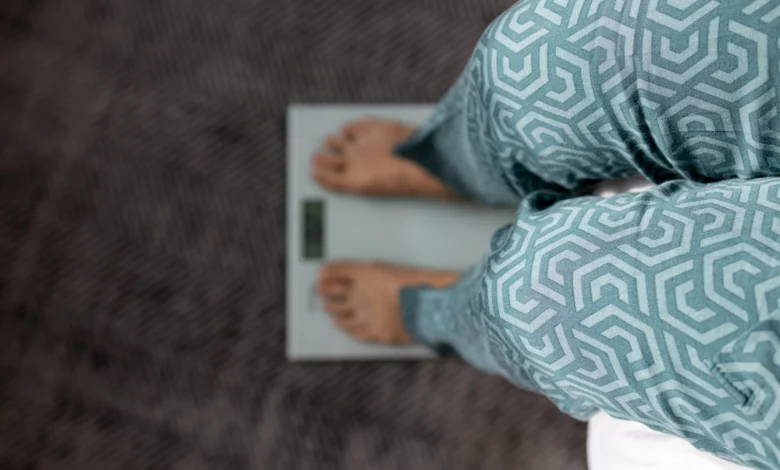
Morning routine. Woman standing on weight scale, wearing pajama near bed in the bedroom. Healthy lifestyle, body conscious and weight controlling
We just passed the 35th anniversary of the Web’s public debut (August 6, 1991). I wouldn’t be surprised to learn that it featured an ugly, annoying “Lose Belly Fat Now!” programmatic ad.
That might be a slight exaggeration, but the Federal Trade Commission has spent literally the past 100 years fighting a quixotic battle against marketers making specious claims about miracle weight loss cures.
All of which inspires some mixed feelings
All of which inspires some mixed feelings as I share with you the latest news about health, longevity, and being overweight.
First, the surprising good news: Writing in the Journal of the American Geriatrics Society, researchers say that after analyzing 14 years of data from 6,905 Americans age 65 and older, they discovered that adults who were classified as “overweight” had a lower risk of dying during the study period than their normal-weight peers.
Refreshed leadership advice from CEO Stephanie Mehta
An Inc.com Featured Presentation
- Specifically, the overweight men tracked in this study had a 46% lower risk of dying from any cause compared to normal-weight men. Men with Class I or II obesity had a 51% lower risk.
- For women, the difference was less pronounced: Overweight women had a 27% lower risk of dying from any cause compared to normal-weight women. Women with Class I or II obesity had a 15% lower estimated risk, although that result was not statistically significant.
But there was one big caveat: belly fat, measured here by waist circumference (WC).
For both men and women, high waist circumference correlated with a 24% higher risk of death during the study period, even after accounting for BMI and the demographic and health factors included in the analysis.
The statistical culprit here could be the way we calculate body mass index (BMI). As the authors wrote in the journal article:
Source: www.inc.com