Faster Marketing Isn’t Better Marketing. 3 Ways to Keep the Human Judgment That Makes Work Connect

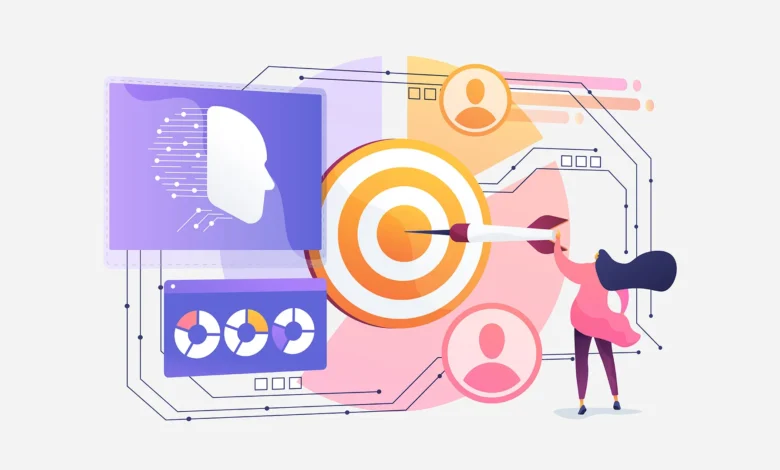
Marketers can move at the speed of light thanks to AI. But the quality and performance of their output isn’t necessarily netting them success.
EXPERT OPINION BY JOEL COMM, AUTHOR AND SPEAKER @JOELCOMM

AI is undeniably making marketing departments operate at a faster pace. Yet it’s not enabling marketers to be more creative or effective at their jobs. In fact, some AI advertising is giving brands the wrong kind of attention.
Take the flawed 2024 Coca-Cola holiday video that was generated with the use of AI, for instance. Though the video was based on a beloved 1995 advertisement, its joyless and emotionless feel landed the iconic company on the naughty list. The problem wasn’t that the ad didn’t have all the right visual elements; it’s that those elements didn’t feel natural or genuinely human to viewers. In response to the backlash, Coca-Cola—which just rebranded—issued a statement in an attempt to regain its position with unhappy customers.
I can’t tell you for certain
I can’t tell you for certain that the advertisement took less time to create than if human artists, designers, and innovators had been involved. However, it’s fairly logical to assume that pulling the final video together probably wasn’t as hard because AI software did a lot of the heavy animation lifting. If so, then this proves my original point: While AI can accelerate marketing processes and output, it isn’t always improving the final result.
This is what often happens when technology comes out rapidly and many people want to be early adopters. Yes, early adoption can be exciting. It can also be risky. In the case of AI, the risk is that using AI can often make marketing materials resonate less consistently with audiences. Marketers know this: A full 84 percent acknowledged their marketing content was more generic than genius.
The daily digest for entrepreneurs and business leaders
An Inc.com Featured Presentation
Of course, AI isn’t going anywhere, which means marketers need to start figuring out how to make it work for them rather than make their work perform at “meh” levels. From my perspective, they can start by putting three practices into place.
1. Give marketers the ability and authority to exercise high-level innovation
Marketing without a human touch just seems misdirected,
Marketing without a human touch just seems misdirected, especially for companies that are marketing to actual people. However, far too many marketers aren’t given the training or, in some situations, the go-ahead, to insert their human insights and intuition into the marketing collateral created by their AI systems. And in some situations, they’re too swamped to even know where to begin.
Human performance company QStudio has discussed this phenomenon. According to their research, professionals don’t always have the capacity to apply critical thinking and emotional intelligence (two skills that AI can’t master) into the process of evaluating rafts of AI-constructed work. One way to improve their ability could be to invest in training in mind enhancement techniques designed to circumvent distraction and overcome fatigue. That way, marketers could more appropriately understand how to leverage their human judgment when evaluating AI content.
Source: www.inc.com