Walmart Just Made a $2.9 Billion Choice. It Reveals What Leaders Do With a Windfall

Unexpected gains create options. How leaders allocate them reveals what the organization really values.
EXPERT OPINION BY SCOTT HUTCHESON, AUTHOR, BIOHACKING LEADERSHIP

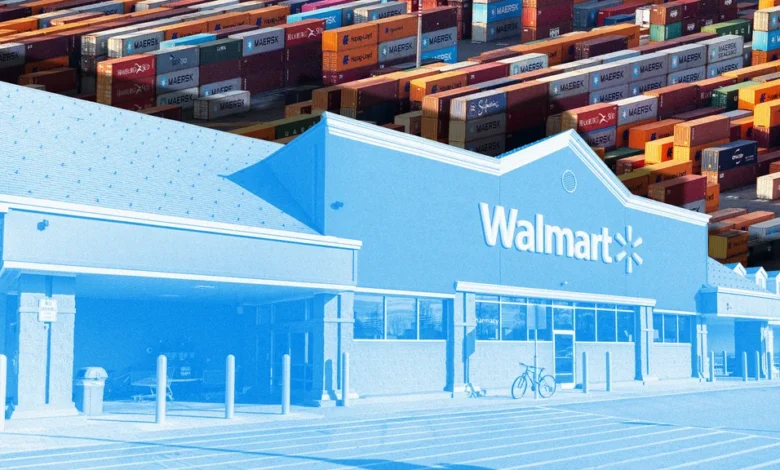
Walmart recently received nearly $2.9 billion in tariff refunds. The money could have improved margins, funded new investments, strengthened the balance sheet, or been distributed in any number of other ways. Instead, Walmart says it is directing much of the benefit toward price and customer experience.
The retailer delivered more than 11,000 price rollbacks during its most recent quarter, up from about 7,200 during the previous quarter. CFO John David Rainey said Walmart had taken a disciplined approach to reinvesting the tariff refunds, particularly in grocery and general merchandise. CEO John Furner said the company was investing heavily in price, both because customers need it and because lower prices can produce market-share gains over time.
That makes Walmart’s decision more than a pricing story. Unexpected rean organization does with money it was not expecting may tell employees, customers, and investors more about its strategy than another presentation explaining what the company values
A windfall reveals what comes first
Every organization has more legitimate uses for reong investing for growth, rewarding shareholders, increasing compensation, paying down debt, building reserves, improving customer value, and protecting profitability
Refreshed leadership advice from CEO Stephanie Mehta
An Inc.com Featured Presentation
A windfall temporarily loosens that constraint. That is what makes it revealing. Walmart did not have to direct its tariff refund toward customers. Other companies receiving refunds have made different choices, including allowing more of the benefit to strengthen margins. Those decisions are not necessarily wrong. A company carrying significant debt or facing uncertain demand might reasonably choose resilience. Another might have an investment opportunity capable of producing greater long-term value.
The leadership question is whether the allocation reinforces the strategy the organization claims to follow. For Walmart, low prices are not a peripheral promotion. They are central to the company’s competitive identity. Using an unexpected $2.9 billion benefit to reinforce that proposition creates alignment between what Walmart says it is and what it does when additional re
Price is also a relationship signal
The timing matters because consumers remain sensitive to everyday costs. Walmart executives said customers were making tradeoffs in their spending, and Furner specifically pointed to higher ground-beef prices as an area where customers were feeling pressure. Returning some of the tariff benefit through lower prices therefore addresses an immediate customer problem while potentially strengthening Walmart’s competitive position.
Source: www.inc.com