
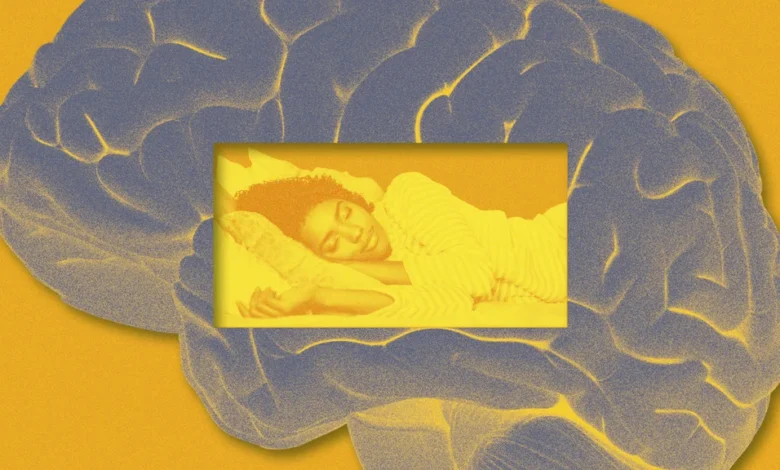
In an EEG study, researchers found that theta activity offered a clue to how the brain selects experiences for long-term memory.

Scientists have spent years trying to figure out why our brains choose to remember some things and forget others. A new study out of the University of York in the United Kingdom found that the brain might tag experiences during learning to encode for memory during sleep.
Researchers tracked 31 participants’ brain activity across two visits. In each visit, participants were given 160 word-object pairs to learn, and then were given the opportunity to take a two-hour nap, after which they were tested on what they’d learned prior to the nap “opportunity.”
Participants who used the nap period to sleep—some
Participants who used the nap period to sleep—some stayed awake—were more likely to remember the word-object pairs they’d learned. In fact, researchers found that the strength of certain theta brain waves emitted during post-sleep recall was greater than the strength of the same brain waves emitted during the actual learning of the information.
What the results mean
The researchers interpret stronger theta activity in this case as a possible signal that prioritizes a memory for processing during sleep.
The daily digest for entrepreneurs and business leaders
An Inc.com Featured Presentation
“How the brain decides what is important to remember and what can be forgotten is still a mystery,” lead study author Dan Denis said in a press release. “Our new findings shed new light on the brain processes that dictate what is ultimately remembered.”
Denis explained that their findings uncovered
Denis explained that their findings uncovered “for the first time a signature of neural activity which instructs the brain which experiences to process during sleep and form into long-term memories.”
“If we remembered everything that we experienced, our brains would quickly reach system overload,” Denis said. “By selectively prioritising important events in our lives, be they emotionally salient or important for the future, we are able to use our past experiences to help guide our interactions in the world.”
Source: www.inc.com