What Tim Curry and ‘Rocky Horror’ Understood About Fandom That Most Companies Don’t

The actor’s most famous role helped create something businesses spend fortunes trying to manufacture: enduring loyalty.

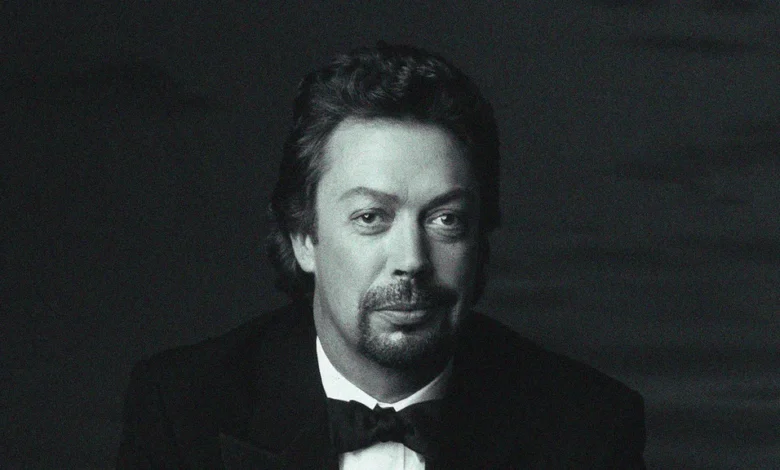
Every company wants loyal customers. Tim Curry helped create the kind who kept showing up for more than 50 years.
News of Curry’s death this week at 80 has brought renewed attention to the role that made him a household name and gave him a cult-like following. More than half a century after Curry first starred as Dr. Frank-N-Furter in The Rocky Horror Picture Show, audiences are still paying to see the film in theaters. And “audiences” hardly describes them. They enthusiastically arrive in costume, shout responses at the screen, bring props, teach others the Time Warp in the aisles, and perform in “shadow casts.” They come to be part of something.
Companies spend fortunes trying to create customers who
Companies spend fortunes trying to create customers who come back, bring their friends, and feel attached to what they’ve bought. Rocky Horror is an incredible example of just how loyal fans can become.
Curry’s uninhibited performance gave people permission to act in ways they normally wouldn’t in a theater. The wild audience participation wasn’t written into the script. A woman named Dory Hartley yelled out a witty call-back, and other people followed. Soon it was a ritual. Wearing costumes became a tradition when people started showing up as the characters and others thought it looked like fun. Different theaters developed their own rituals, and eventually fans were performing along with the screen.
The daily digest for entrepreneurs and business leaders
An Inc.com Featured Presentation
Audiences kept finding new ways to make the experience their own
Nobody at 20th Century Fox designed any of this. The customers did. Rocky Horror wasn’t just a movie they loved; it was something they did, and it belonged to them.
Few things create loyalty as powerfully as participation
Few things create loyalty as powerfully as participation. As Robert Cialdini has described, once people voluntarily take a stand or action, they feel pressure to behave consistently with that commitment. Once customers move beyond passive consumption and begin contributing, They’re not just enjoying a movie; they’re committing to being “one of the people who does this”. That’s identity-level commitment, and it’s the creme de la creme for loyalty.
When I’m teaching sales, I always tell the old story about a company selling shatterproof glass. One of their salespeople was outselling everyone else, so they asked him to tell them what he was doing. He explained that ask prospects if they wanted to actually see that the glass was shatterproof. They always wanted that, so he carried squares of glass and a ball-peen hammer, and he would whack the glass right in front of them.
Source: www.inc.com