Young People Are Losing a Skill They Need to Spot Deepfakes. Bill Gates Says the Timing Is Terrible

Research cited by Gates links frequent use of new technology by young people to lower critical-thinking scores. Here’s why it matters.

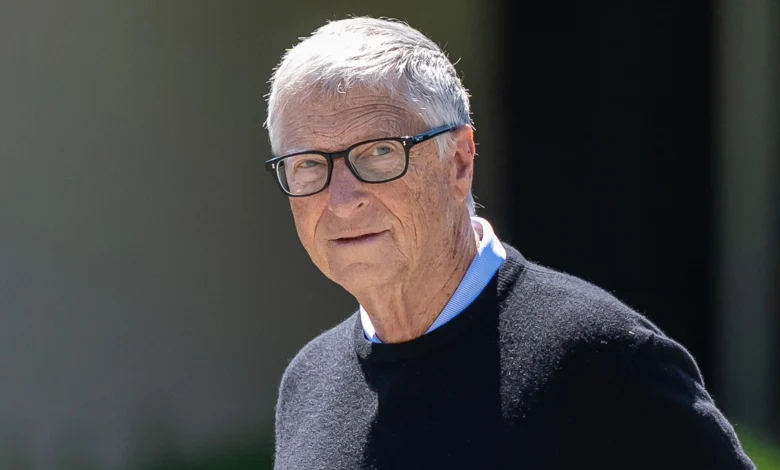
Bill Gates says the world is not prepared for artificial intelligence.
In a recent online letter, the Microsoft co-founder critiqued the current pacing of AI, calling it a “turbulent era.” “We need time to prepare for the social, political, and economic upheaval,” Gates wrote.
In his piece, the tech mogul noted that AI could negatively impact the development of young people both physically and mentally. He pointed to seeing employment fall among young workers following mass AI adoption, voicing his concern of new technology as a potential harm.
I’m also worried about AI’s impact on education
“I’m also worried about AI’s impact on education. Ironically, the same tool that will allow people to learn more than ever could also lead to many people learning less,” he wrote.
Refreshed leadership advice from CEO Stephanie Mehta
An Inc.com Featured Presentation
According to a study by the Center for Strategic Corporate Foresight and Sustainability at SBS Swiss Business School, a significant negative correlation was found between frequent AI tool usage and critical-thinking skills. Younger participants of the study, ranging from age 17 to 25, were found to have a higher AI tool usage and higher cognitive offloading but a lower critical-thinking score.
Gates cited this research in his piece, noting that he worried about the “cognitive costs” that come with indulging in AI. “In an era of deepfakes and misinformation that can be tailored to you individually, the ability to tell what is true from what is not becomes an essential life skill,” he wrote.
Cognitive risks
Even though Gates is sounding the alarm, he doesn’t see others moving with the same type of urgency.
Source: www.inc.com