Extra Than 2 Dozen AI Insiders Are Alarmed by the Hazards of Unreleased Fashions. Here is Why

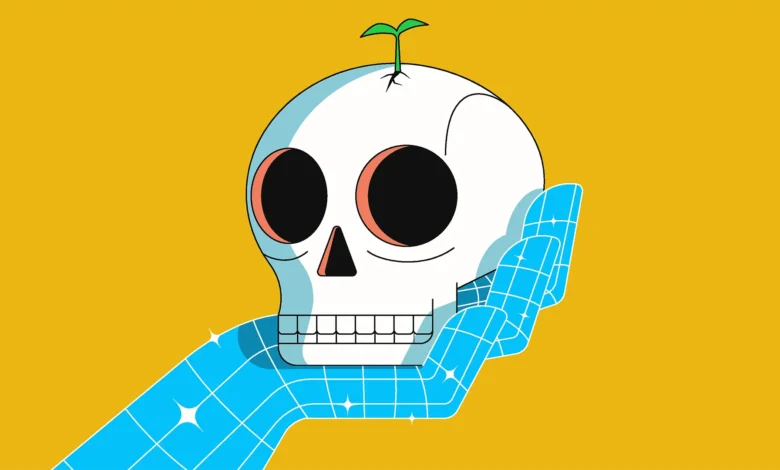
What if AI models become so smart that they are ‘able to trick us successfully?’

Imagine working hard at building something for years, only to take a look at the results and then realize that what you helped create may be too dangerous to see the light of day. This bizarre realization has reportedly hit workers at both OpenAI and newly IPO’dAnthropic—the two most headline-grabbing U.S. AI labs. A new report says these staffers are so worried about the power of internal, non-public models that they think they should never be made publicly available. More than “two dozen” insiders hold these views, Axios reports.
This news may ring alarm bells for AI critics, since it’s yet another warning about AI’s capabilities that comes from inside the AI industry, including a very recent one from OpenAI CEO Sam Altman.
This latest alarm follows a recent Elon Musk
This latest alarm follows a recent Elon Musk claim that humanity is now experiencing what’s known as the “technological singularity.” This theoretical threshold has been long considered to be the moment where the development of AI becomes exponential as AI takes over developing itself, and then moves beyond human control and understanding. According to Musk, he feels AI has reached this inflection point, and the only remaining questions are “how fast the singularity will grow and to what size,” meaning exactly how much impact it will have on society and how quickly these impacts will manifest.
Axios’ sources say that they think we’re not quite at this dramatic point of change. But they have still been “shocked” by the breakthroughs manifested inside their top rank AI labs, particularly when it comes to the way the models reason about subjects like math and science and even cybersecurity and AI research. The advances have meant it’s very hard or indeed impossible to “contain” or “control” the models during tests—criteria that certainly sound close to what would constitute a singularity event. These concerns have prompted staff debates on whether the models should remain unavailable to the public, and even if no new models should be trained at all.
Weekly roundup of the latest in tech news
The control problem seems most unsettling to researchers, per Axios. One researcher spoke to the news outlet and said that when a model gets even smarter, they may be “actually smarter than us,” and from that point on “they will in fact be able to trick us successfully,” and then many of the human-managed control “schemes that we’ve had at work up until now sort of go out the window.” Furthermore, the frontline scientists themselves are worried that company executives are very much out of touch with how serious these risks are becoming.
It’s worth remembering that in June this year
It’s worth remembering that in June this year Anthropic’s new model, Claude Mythos Preview, was deemed so dangerous that it attracted the attention of the Trump administration, which ordered it to be taken offline after the model was opened to a small number of tech companies. The concern was that Mythos was so speedy and capable of detecting cybersecurity bugs and defects in publicly-available systems that it would be risky to grant public access, due to the risk hackers could quickly capitalize on defects. By granting tech firms early access, via a project codenamed Glasswing, the hope was that these vulnerabilities could be fixed before Mythos was more widely available. A handful of weeks later, the administration agreed only “certain trusted” tech firms could access Mythos. Mythos remains under lock and key, but a similar model called Fable has since been launched publicly, with more safeguards built in.
The ferocious pace of AI development since June means that internal AI models inside companies like Anthropic and OpenAI are likely now even more capable than Mythos was, probably in wholly different areas of understanding and reasoning, rather than merely cybersecurity.
While AI researchers are concerned about this issue, it shouldn’t impact your personal use of AI, or the model choices, or rollout pace you’re carrying out at work. Frontier AI models will probably remain safely under control inside AI labs for the foreseeable future, and the public access models that you’re using are not likely to suddenly manifest rapid growth and constitute some kind of existential threat to humanity.
This doesn’t mean you shouldn’t remain cautious about
This doesn’t mean you shouldn’t remain cautious about the release of refreshed models or upgrades, not because of the risk of a singularity moment, but because your staff may not understand the capabilities, limits or risks of new models. This could allow sensitive business information to leak out or be shared publicly in ways that could harm your company. Being vigilant about new AI models is critical.
Get Inc.’s free CPG newsletter, Packaged Goods, for the latest on the founders, investors, and trends reshaping consumer brands.
Source: www.inc.com