
Welcome toGut Check, our column dedicated to the complex, ever-evolving relationship between food and our bodies. Whether you’re curious about mindful eating or want to understand what makes picky eaters picky, read on and let award-winning journalist Betsy Andrews answer all your burning questions.
I recently shed 20 pounds for my health, and I’m keeping it off by avoiding simple carbohydrates—pasta, pastries, white rice, most breads—and exercising with weights and resistance bands. Carbs make you feel full, at least temporarily, and without them, especially when I’m hungry after a workout, I’m turning to an even more filling macronutrient: protein. I’m 63, and my wife is 60. We’ve heard that dietary protein is key to wellness in aging. But, after recent blood work, she is worrying about “bad,” or LDL, cholesterol. All this leaves me pondering the types and amounts of proteins I should be cooking that won’t increase her cholesterol levels or my waistline but will make for satisfying, healthy meals.
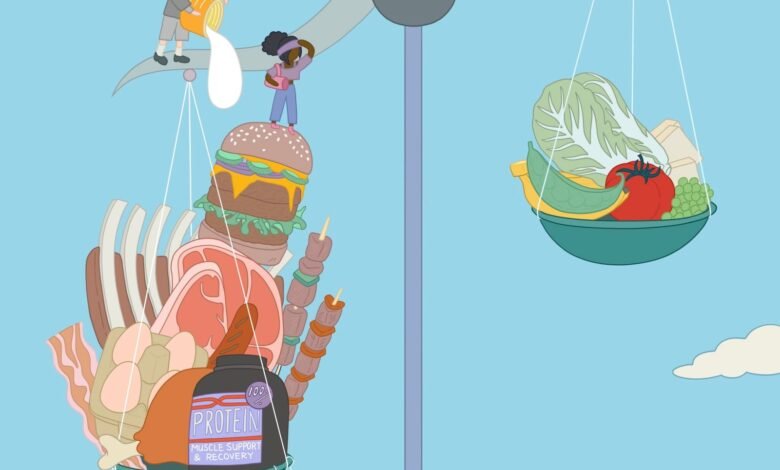
In my current obsession with protein, I’m not alone. Americans are bingeing on the stuff: Social media is glutted with influencers promoting protein powders and heavy meat consumption; supermarket shelves have filled with packaged snacks advertising excess protein; and restaurants are overhauling menus to feed the needs of protein-hungry diners. Even the new USDA dietary guidelines encourage protein uptake. At its extreme, it’s a trend known as protein-maxxing, and everyone from the Kardashians to the American Medical Association is talking about it.
But if protein-maxxing TikTokers go viral wolfing down Korean barbecue, should I shovel in kalbi, too? Do I need to add boy kibble to my meal rotation? With my grocer selling protein-packed candy, cookies, chips, and even canned water, should I fill my cart with them? When Secretary of Health and Human Services Robert F. Kennedy, Jr., declares, “We are ending the war on protein,” must I join the ticker tape parade? As a journalist, I’m both interested in and skeptical of trends. And as a person living in a body, I honestly don’t know what my approach to protein should be. So I turned to the experts to find out what all the hoopla over protein is about and how I should be eating it.
Protein Is a Must
Our bodies need protein to function. “Protein is made of amino acids. When we digest protein, we release those amino acids and use them to build and maintain our own proteins: muscle, liver, heart, lungs, and even some bone,” explains kinesiology professor Stuart Phillips, director of the Physical Activity Centre of Excellence (PACE) at Ontario’s McMaster University in Canada. “Protein supplies materials for enzymes, antibodies, transport proteins, some hormones, and the repair of tissues and organs.”
Of the 20 amino acids in our bodies, nine are essential, meaning we can’t create them ourselves. We must get them from eating protein, and we need to keep up protein consumption, because our bodies deplete it as we digest it. “The simple takeaway is that protein builds you from the inside out. It is foundational,” says dietitian Daphene Altema-Johnson, senior program officer at the Johns Hopkins Center for a Livable Future. “But unlike fat, your body doesn’t have a dedicated storage system for protein, so you need a steady supply from food.”
In a culture built on body image, protein is also touted for its body-sculpting and weight-loss benefits. “You use protein to help build and maintain muscle mass and also recover from a workout,” explains Zach Rocheleau, the creator of the protein-rich recipes that comprise The Flexible Dieting Lifestyle. “It’s also the most satiating macronutrient. Getting the satiety effects of protein and thus feeling full, so eating less calories, is the driver that goes into losing weight.”
We Don’t Need Too Much
When influencers like Rocheleau claim that the protein they’re eating has helped them shape their physique, they aren’t wrong. Research does show that if you eat more protein it assists (to a point) in building lean muscle mass during resistance training. And studies have established the relationship between protein consumption, satiation, and weight loss. “The hype has come from real physiological needs,” says Dr. Megan Rossi, founder of The Gut Health Doctor, “but it’s more of an aesthetic effect, where people associate protein with big muscles and think the more protein they eat, the bulkier they’ll get.”
Scarfing down cheeseburgers and looking great doing it sounds good, but eating too much protein can put stress on your body, especially the kidneys. When you eat protein, Altema-Johnson explains, “The nitrogen part of it is stripped off and converted to urea, which is filtered out by your kidneys. Lots of nitrogen waste leads to a chronically higher kidney workload.”
For most people, this shouldn’t be much to worry about: Though he notes that this isn’t an endorsement of long-term protein bingeing, Phillips’ meta-analysis found no negative effect of higher protein consumption on kidney function in healthy adults. But if your kidneys aren’t in tip-top shape, stressing them can contribute to high blood pressure and other heart conditions. And studies show that consume excess animal-based proteins, in particular, can increase the risk of kidney stones.
There’s another potential problem: Your small intestine can only digest so much protein, so in high amounts, some of it ends up in your colon, where it can produce potentially harmful by-products. “Excess protein, like poorly absorbed egg whites and red meat, can ferment and produce toxic metabolites, which are associated with heart disease,” says Rossi. The solution is to eat fiber as well. But when you’re protein-maxxing, other nutrients, including fiber, can fall to the wayside.
Finally, though protein-maxxing is often touted as a way to slim down, the opposite can be true, too. “Your body has a ceiling for how much protein you can use,” says Altema-Johnson. Excess protein gets converted into glucose or fat for energy. Calories are energy units. You only need so many of them, and if you’re “chasing a protein number instead of eating until full,” as Altema-Johnson puts it, studies show that the extra calories can lead to weight gain.
Some protein-enriched packaged foods harbor sneaky calories. According to Rocheleau—who, by the way, eschews the phrase “protein-maxxing” in his work—“You would think that somebody putting out a high-protein product would take calories from carbs and fats and replace them with protein, but generally they keep the product the same but add protein, so you’re getting a lot more calories.” Plus, the marketing of protein-added snacks actually creates an insidious halo effect. “If you slap ‘high protein’ on a package, there’s the perception that it is automatically healthy, which can lead to overconsumption,” says Altema-Johnson. And while dairy- or plant-based protein products, including powdered supplements, can be a convenient way to support higher training needs to fill a genuine gap in the diet, Phillips’ research shows that they’re not a substitute for exercise itself and that protein intake had diminishing gains over a certain amount.
So what is the optimum amount of protein we should consume? Guidelines differ. Like the USDA previously, Canadian guidelines suggest a daily protein intake of .8 grams per kilogram of body weight. (To convert your body weight from pounds to kilograms, just divide it by 2.2.) For me, at 77 kilograms, 62 grams of protein per day is a good target, according to these guidelines, which comes out to a little over 8 ounces of roast chicken to meet my goals for the day. U.K. guidelines recommend slightly less, at .75 grams per kilogram, while the new USDA guidelines have been cranked up to 1.2 to 1.6 grams. At that serving goal, I can scarf down more than a pound of roast bird a day, and in theory, that’s what experts want me to do. For active and older adults, Phillips likes the new USDA targets, because we lose muscle mass as we age, and we start to need more protein to help retain it.
Eat the Right Kinds of Protein
But not all protein is created equal. With my partner’s concern over cholesterol, maybe a skin-on bird dripping fat or a well-marbled steak seared in butter, both high in saturated fat, isn’t optimal for us. “This is where individualization matters,” says Altema-Johnson. “The goal is not zero red meat, but smaller proportions, moderation, and smarter cuts.” Experts like her, and plenty of studies, will warn you away from fattier and, especially, processed meats. “Unprocessed steak, ground beef, even pork chops have a modest health-associated risk,” Altema-Johnson says. “But bacon, sausage, deli meat, hot dogs—if you’re eating those constantly, you’re at higher risk for heart disease, colorectal cancer, and other health issues.”
Unlike animal proteins, not all plants contain every amino acid that our bodies need. But you can combine various vegetable proteins to meet those goals. Phillips and his colleagues found that young vegan and omnivorous men eating around 1.6 grams of protein per kilogram of body weight a day achieved similar muscle and strength gains with resistance training. “Grains tend to be relatively low in lysine. Legumes help address that limitation, while grains complement legumes’ amino acid profiles,” he says. “Beans, lentils, tofu, tempeh, edamame, eggs, milk, yogurt, nuts, and seeds can all contribute. Soy is a particularly useful plant protein.” You don’t have to mix and match them at every meal, but a diverse plant-based diet can bring the protein you need.
Protein Isn’t Enough
The biggest takeaway is that you can’t just protein-max in the absence of overall healthy lifestyle choices. One of those is a balanced diet. According to Altema-Johnson, we should “individualize, moderate and balance. It’s important to have a diverse plate. If you’re focusing on one type of protein, especially meat, you’re missing out on all the good yummies a body needs.”
Chief among those yummies is fiber. Rossi says that recent studies support the idea that increasing protein can have benefits for weight-lifting and even aging, “but you need to increase fiber to balance it so your microbiome has more to eat than just excess protein. We need to swing the fiber flag.” Another recent study showed that 93 percent of Americans get enough protein, but other research reveals the opposite for fiber: Just 7 percent of us eat an adequate amount. That’s not good. A review of more than 5,000 studies found that a diet low in red meat but high in fiber-rich whole grains, vegetables, and nuts lowered our risk of death due to heart disease. “For gut health,” Phillips says, we should “ask what your protein habit is pushing off the plate.”
The other important lifestyle choice is exercise. “You can’t just expect to be sitting on the couch and eating protein and having these huge gains. Physical activity and resistance training bring far bigger results,” Rossi notes. That’s why I’ve ultimately been committed to moving more: Preventing muscle loss is insurance for my future. “Without enough protein and—most importantly, in my opinion—resistance exercise, this loss speeds up significantly,” says Altema-Johnson. “It affects strength, ability, balance, and fall risk. Muscle loss is directly tied to independence. It’s the difference between carrying your own groceries at 80 or needing help.”
Of course, I’m getting a late start. “You do not wake up at 65 with a new protein requirement. Start paying attention in midlife (over 40), and pair the protein with strength training, as that is the big lever to promote health, not protein,” notes Phillips. Well, I’m not 65 yet, but I did almost hit that age without addressing these health needs. Now I know that I need to exercise, and to support the training, I need a bit more protein, but not piles of it, and it has to come from a variety of sources. Perhaps most importantly, I’ll continue to take whatever the trend-setters are pushing on the socials with a grain of salt. As Phillips puts it, “Protein is a nutrient, not an identity. The goal is enough to support health, not as much as you can eat.”
Keep Reading
Where’d You Go, Crêpes Suzette?
Alexis Nikole Nelson, aka the Black Forager, Makes Nature Her Buffet
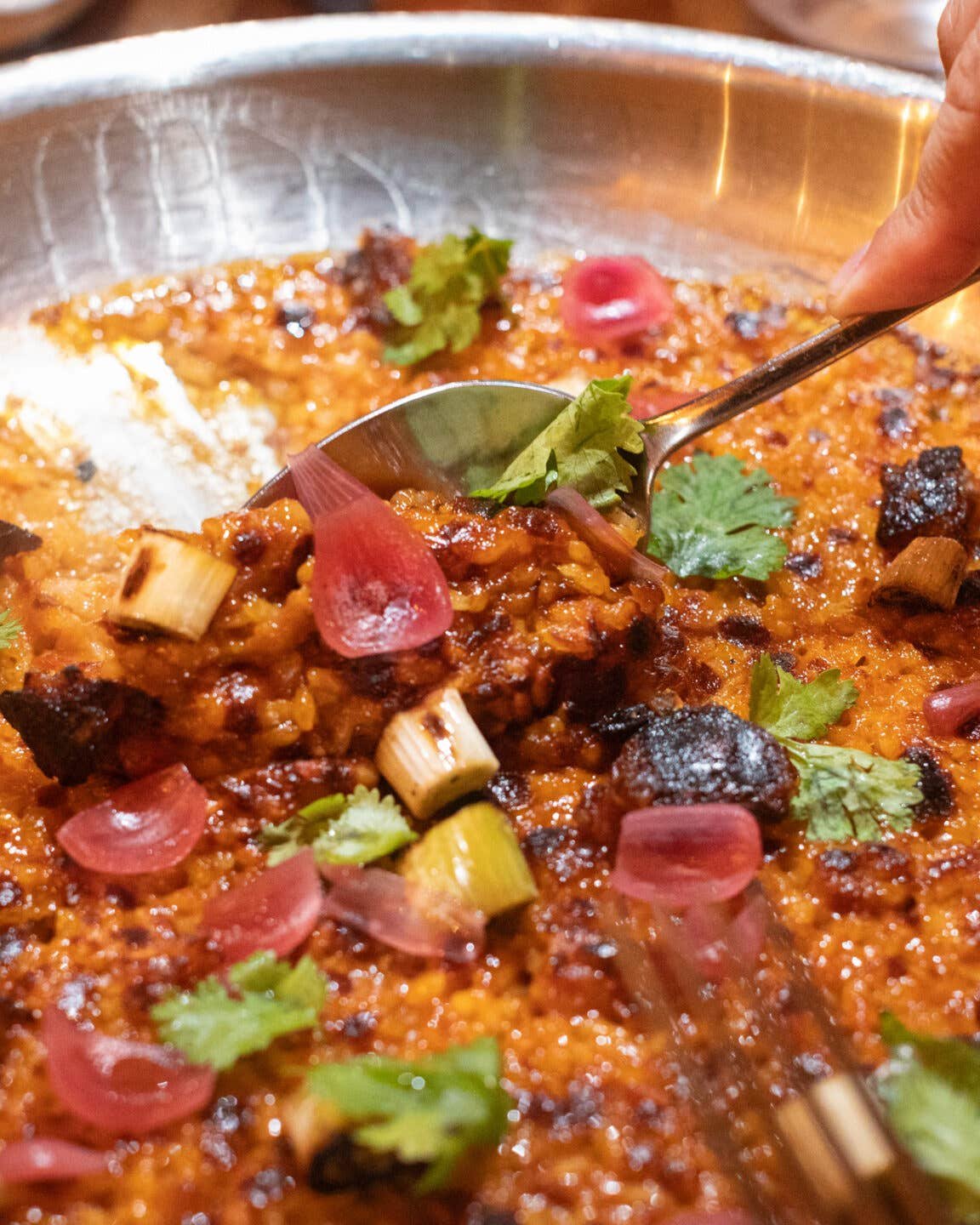
A Chef’s Guide to Eating and Drinking in Santo Domingo
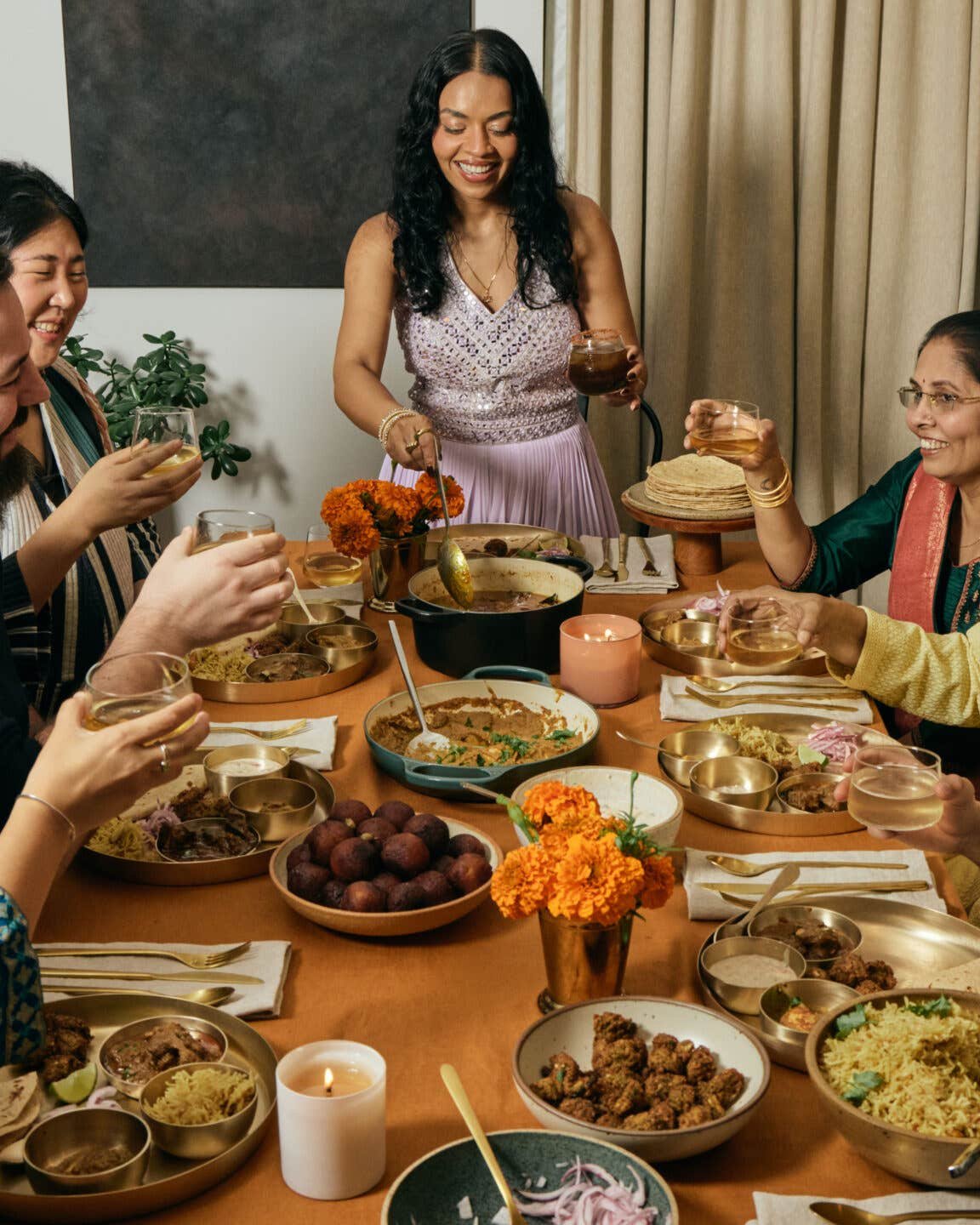
Keeping the Diwali Flame Burning in New York City
How a Jungle Farm in the Yucatán Is Transforming Its Maya Community

The Buried Tamales at the Heart of the Yucatán’s Day of the Dead
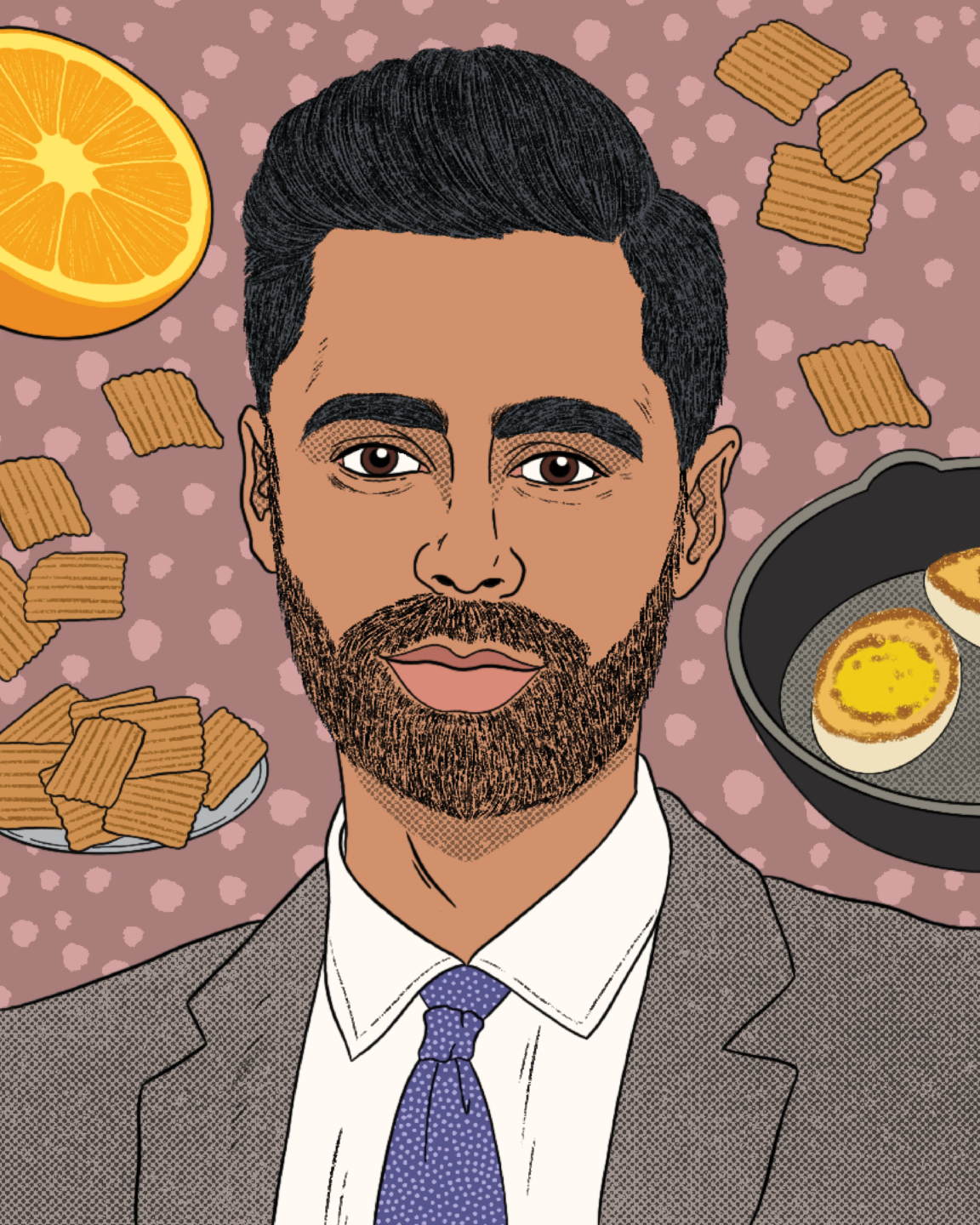
Hasan Minhaj Thinks America’s Greatest Accomplishment Is Cereal
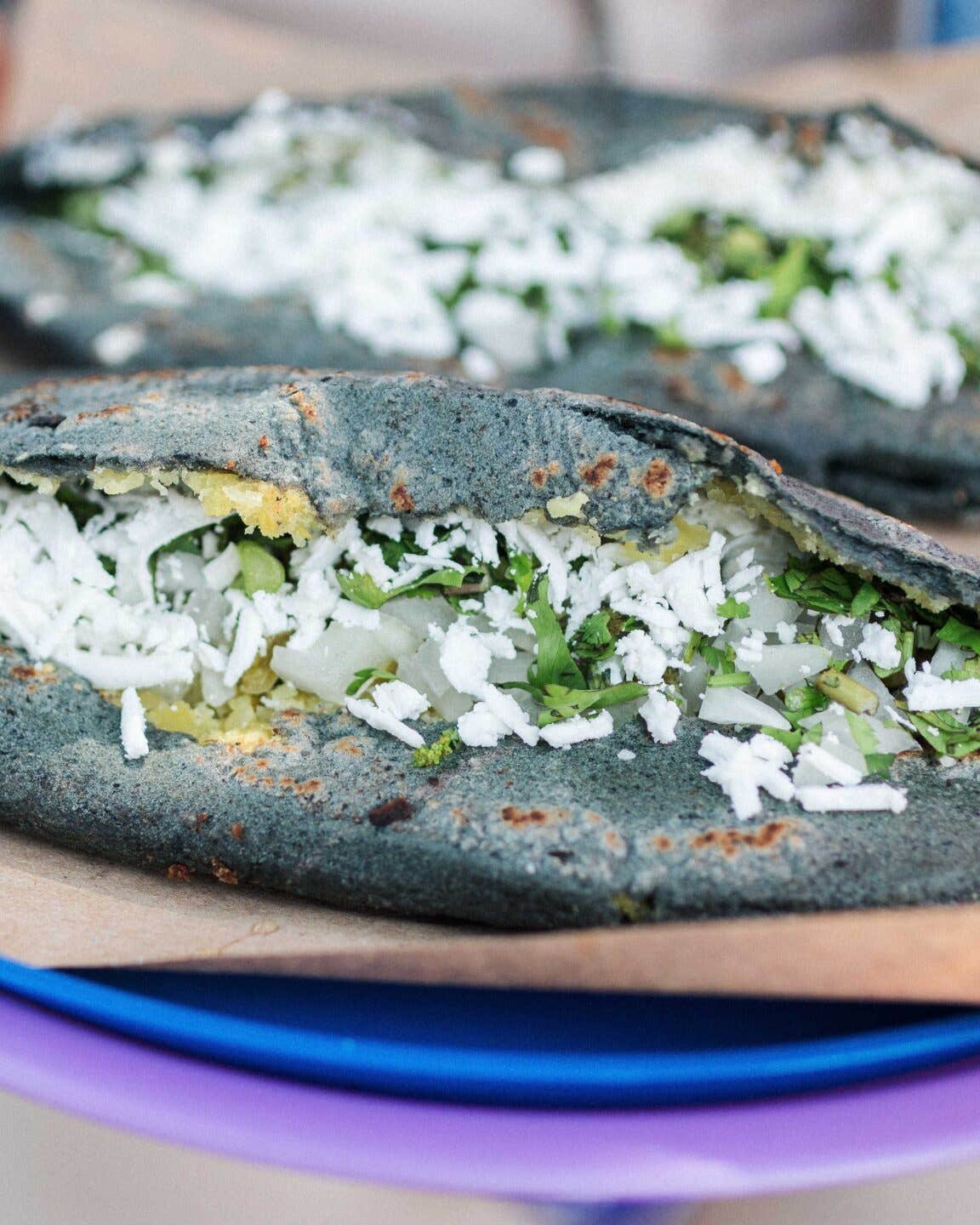
12 Dishes and Drinks Everyone Should Try in Mexico City
The History of This Must-Try Cheese Goes Back Nearly 1,000 Years
Source: www.saveur.com