
Voters Rejected Knowledge Facilities Throughout America. This 1 State Simply Fired the Loudest Warning Shot

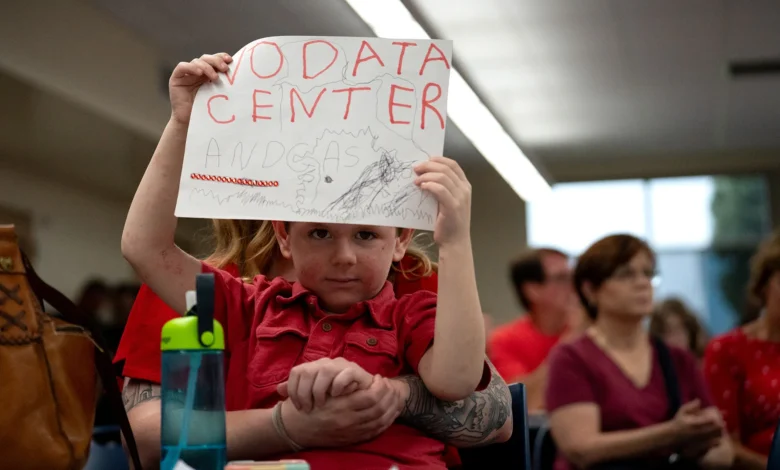
Voter opposition in Ohio mirrors AI sentiment nationwide, and the problem isn’t going away.

A child holds a “No Data Center” sign during a public meeting hosted by the Ohio Power Siting Board in Ashville, Ohio. Photo:
U.S. voters made their opinions on data center development abundantly clear during Tuesday’s midterm elections. Across the board, voters both rejected state or local measures that would have supported data center permitting or construction, and approved measures that banned, paused, or placed additional restrictions on development.
Perhaps nowhere was this more clear than
Perhaps nowhere was this more clear than in Ohio, which claimed more than half of all data center-related ballot measures nationwide. Some experts say the state serves as an indicator of AI sentiment nationwide—and the fight over AI data centers isn’t going anywhere anytime soon.
“The opposition in Ohio mirrors what’s happening in other states, so Ohio is not idiosyncratic. It’s really a reflection of opposition across the country,” says Darrell West, senior fellow at the Brookings Institution.
Ohio has been a hotspot of interest from AI companies due to the state’s large, skilled labor force, and proximity to large swathes of land, consumers, and grid transmission, particularly in Central Ohio. The state ranks fifth in the nation for active data centers, according to the Office of the Ohio Consumers’ Counsel, but claimed about half of all data center-related ballot measures—21 out of 41—during the midterms, according to Ballotpedia. Companies aspire to invest about $40 billion in Ohio data centers by the end of the decade.
Weekly roundup of the latest in tech news
But voters may have just thrown a wrench in those plans.
Ohio already had 125 local data center moratoriums
Ohio already had 125 local data center moratoriums in place when the midterms rolled around the state will have to contend with more restrictions and outright bans, particularly of data centers over a certain size. West notes that the measures broadly fall into two categories: those that ban data centers and those that add restrictions
In the aptly-named Defiance, Ohio, for example, voters voted in favor of banning data centers over 25 megawatts, which was similar to measures in Granville, Sunbury, Pataskala, Piqua, and Conneaut, among others, according to Data Centers on the Ballot. Some measures were crafted in response to specific projects. In Sunbury, Ohio, Amazon proposed a $2 billion data center campus that has attracted backlash from the community. One measure that narrowly passed gives Sprigg Township authority to regulate a forthcoming data center. Another measure in Wilmington that sought to uphold a decision to rezone rural residential land for use by data centers was roundly defeated.
Source: www.inc.com