Brian Chesky Wished His Airbnb Workforce to Like Him. It Made Him a Worse CEO

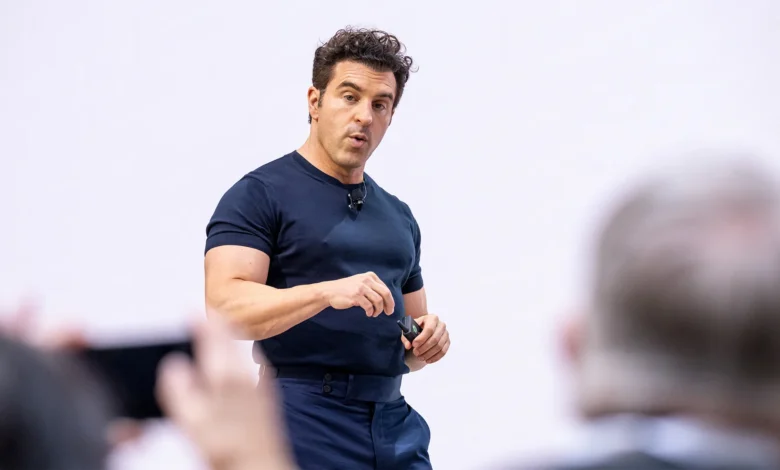
“I think I was pretty much naturally a great founder, and I was naturally a terrible CEO,” Chesky said in a recent interview.

Airbnb CEO Brian Chesky. Photo:
Long before Airbnb, back in the days when he was a young child, Brian Chesky liked to design and build things. He would take objects apart and sell things to friends. So when the time came to launch the business, which would grow into a more than $100 billion leader in the vacation rental space, he had some experience in creating things and convincing people to get excited about them.
Managing that organization, though, was an entirely different beast, he says. And it did not come naturally.
I think I was pretty much naturally
“I think I was pretty much naturally a great founder, and I was naturally a terrible CEO,” Chesky said on a recent How I Built This with Guy Raz podcast. “When you’re a child, you’re making things, you’re building things, you’re practicing being a founder. … Then suddenly you’ve got to be this CEO, and the problem with being a CEO is it’s so counterintuitive.”
The conventional wisdom, he said, was to hire experienced executives and let them do what they do best. However, Chesky quickly began to realize that following that advice could take startups on a road to ruin.
Refreshed leadership advice from CEO Stephanie Mehta
Instead, he said, startups need to be made up of smart, hungry people, who can work alongside a founder to drive growth.
What you actually need to do is not
“What you actually need to do is not hire big grown-ups that don’t understand your stage,” said Chesky. “You have to hire people just a little bit ahead of you that are smart, hungry, and you got to stay really close to them. You got to stay really close to the company.”
In his case, because the people he had hired had significantly more experience, he began to doubt his instincts. “The hard part for me was sometimes my intuition would tell me one thing, and they tell me another,” he said. “And what do I do when my intuition and their experience collide? Usually, I deferred, and that was usually a mistake.”
Source: www.inc.com