
Your Stomach May Help Your Brain Remember Where Food Is, According to a New Study

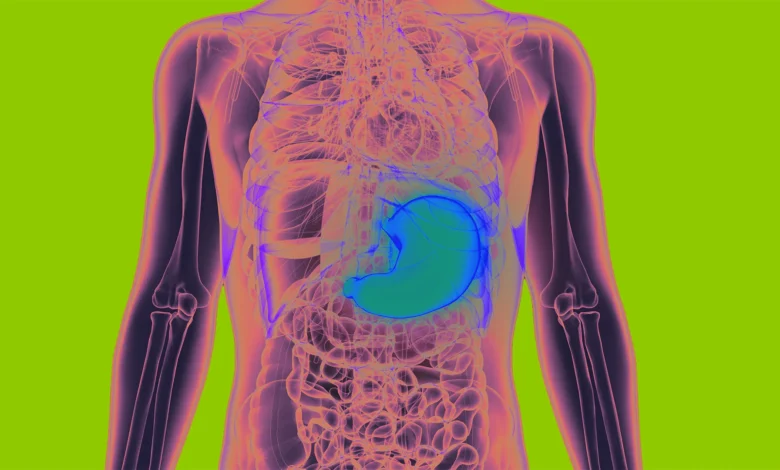
USC researchers found that nutrient-rich food activated a gut-to-brain pathway tied to memory, while long-term unhealthy diets weakened the response.

It’s no secret that smells and tastes seem to attach themselves to our memories. But that food-brain connection might run deeper than we previously thought; a new study at the University of Southern California found that the gut may contribute to memory formation, particularly when the situation involves locating and eating food.
In the study led by Scott Kanoski, researchers used male rats to examine the vagus nerve, a major communication route between the digestive system and the brain. This nerve is already known to influence digestion, appetite, and feelings of fullness, and now, the findings suggest it also impacts how we transmit information to store memories in the brain.
When rats ate nutrient-rich food, a signal traveled up the vagus nerve, triggering a rise in a chemical called acetylcholine in the hippocampus, the brain’s memory hub. Acetylocholine is a neurotransmitter that plays a role in memory formation, and when researchers interrupted the vagus nerve communication, the increase in acetylcholine diminished. These rats also performed worse at remembering where they had recently found food.
Nutrition Matters
While rats who ate sugar or fat showed strong memory-related brain activity, those given sweet-tasting but low-calorie or non-caloric liquids did not show the same response. The brain, it seems, can detect actual nutritional value.
The daily digest for entrepreneurs and business leaders
An Inc.com Featured Presentation
“We think the mechanism likely evolved to help animals remember vital information about foodstudy. Recalling where certain plants sprout first in the spring can help hungry animals find important nutrients. Signals from the gut tell the brain, “This meal provided valuable nutrients, so remember where and how you got it.”
The long term implications
While high-fat, high-sugar foods triggered strong short-term memory responses, rats raised on that unhealthy diet early in life developed weaker gut-to-brain communication over time. Even when switching to healthier food later on, these rats still had reduced memory-related brain responses and poorer performance on locating food based on memory.
These findings could change how we think about obesity, poor diet, and metabolic disorders, such as diabetes and their associations with cognitive decline.
Source: www.inc.com