

Listen to this article
Estimated 5 minutes
The audio version of this article is generated by AI-based technology. Mispronunciations can occur. We are working with our partners to continually review and improve the results.

Yemen’s Iran-backed Houthis attacked four cities in the south of U.S. ally Saudi Arabia on Tuesday, wounding more than 70 people and setting oil installations ablaze in what appeared to be a major expansion of the six-month-old Middle East war.
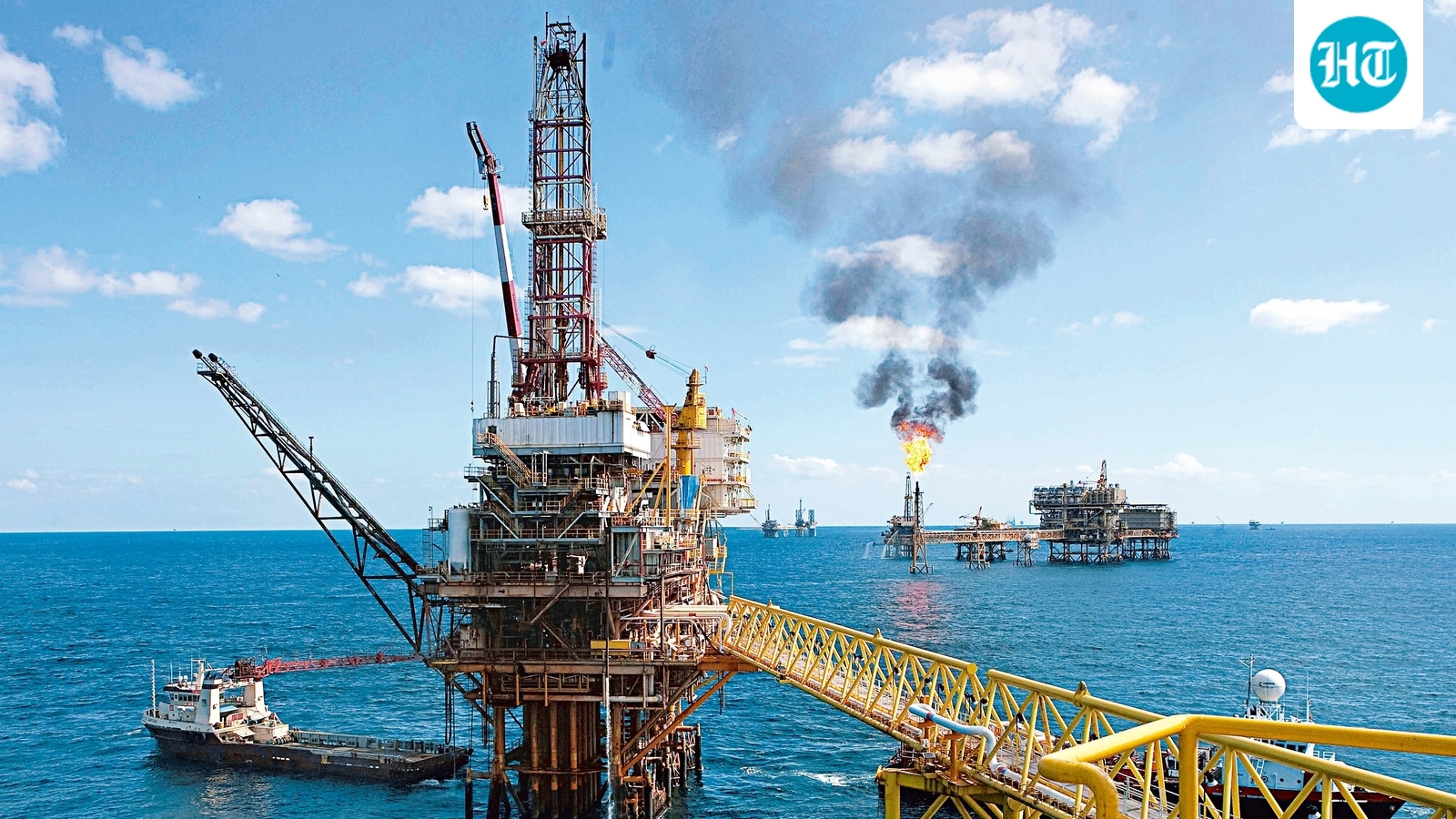
The Houthis, who control most of Yemen’s populated areas, including the capital, said they had launched a broad operation deep into Saudi territory. They used drones and missiles to strike a Saudi airbase in the southern city of Khamis Mushait, and targets belonging to Saudi Arabia’s state oil company in nearby Abha, Najran and Jazan, a major Red Sea port.
Saudi authorities described blazes at the sites and said women and children were among the 73 people hurt. The reports of such large numbers of wounded suggested the attacks were among the biggest carried out against Saudi Arabia since the United States and Israel launched their war against Iran in February.
Confirmed images of the aftermath of the attacks were not immediately available. The Houthis released pictures of an explosion of what they said were trucks from Saudi Arabia they had struck at the border in another area.
Houthi attacks on southwestern Saudi Arabia have the potential to worsen the war’s global economic impact by disrupting Middle East energy supplies beyond the blockaded Strait of Hormuz.
After a month of calm in August, fighting in the Gulf has resumed, with Iran and the U.S. exchanging fire, sending global oil prices back up to levels unseen since July. Brent crude prices were up more than two per cent on Tuesday, above $99 US a barrel.
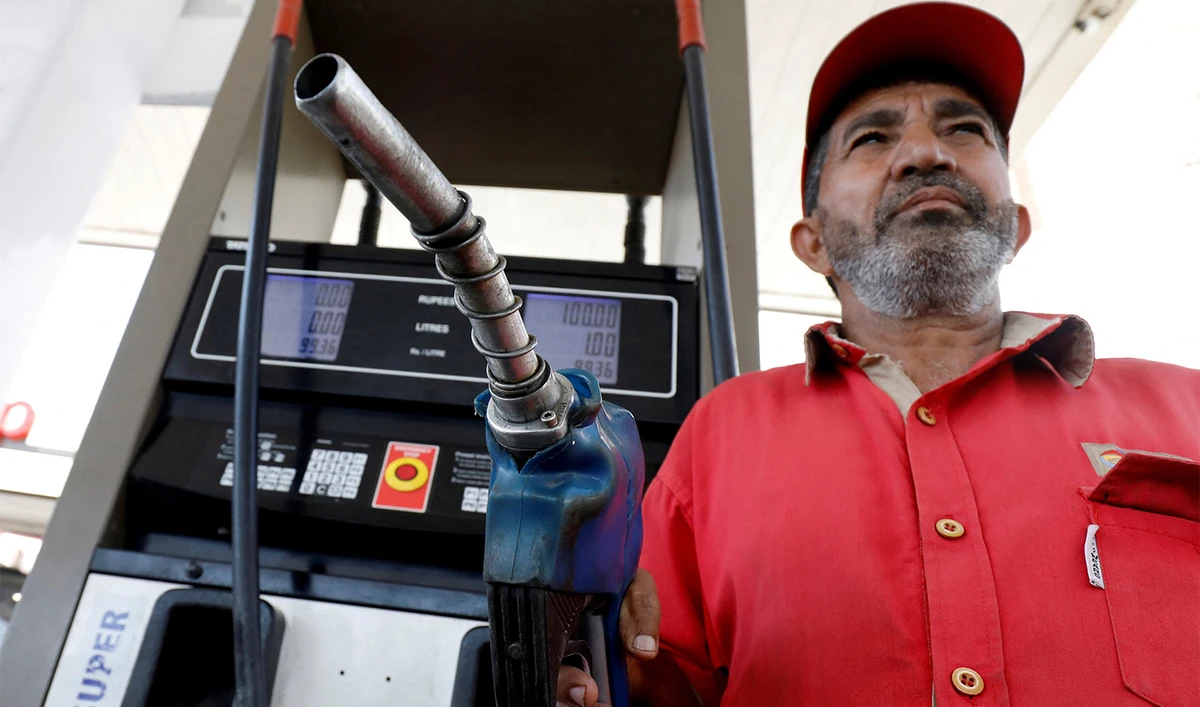
The fighting has caused global shortages of crude oil and, more acutely, the fuels that are produced by refining it. Diesel fuel in the United States is now at a record average retail price of more than $5.90 a gallon less than two months before midterm elections that could threaten the hold of Donald Trump’s Republicans on one or both chambers of U.S. Congress.
Test of wills
Saudi Arabia has led an Arab coalition battling against the Houthis in Yemen for more than a decade. That war had calmed in recent years, but a ceasefire there has broken down, with the Houthis threatening shipping at the mouth of the Red Sea.
“The coalition will take all necessary operational measures to deter this terrorist militia and resolutely confronts its hostile approach,” Col. Turki al-Malki, spokesperson for the Saudi-led coalition, said in a statement on X.

Houthi spokesperson Yahya Saree accused Riyadh of having escalated the war by launching airstrikes on Yemen, and said the Houthis would respond.
The war in the Gulf has turned into a test of wills between the U.S. and Iran, with each side hoping that economic pressure from competing blockades will force the other to yield.
Washington is trying to increase the flow of oil to world markets by guiding ships through the Strait of Hormuz at the mouth of the Gulf, while cutting off Iran’s exports with a blockade just beyond it.
Tehran has announced new measures to seal off the strait, saying it will soon unveil details of a “maritime exclusion zone” that will extend from the perimeter of the U.S. blockade, through the strait and into the Gulf itself.
The U.S. fired at Iranian tankers over the weekend in retaliation for Iranian fire at American warships. Iran said it had used new, more capable ballistic missiles to attack.
“In recent days, Washington has received a clear warning from Iran’s new missiles,” Mohsen Rezaei, secretary of Iran’s Supreme National Security Council said on X. “Economic warfare will be met by a maritime exclusion zone across the Persian Gulf to the blockade perimeter. The operational posture toward U.S. warships and bases has been fundamentally recalibrated.”
Thousands on the move in Yemen
Despite U.S. barrages that have degraded Iran’s conventional forces and punished its already ailing economy, Iran still possesses missiles and drones that can threaten oil tankers transiting the Strait of Hormuz and have been used to attack U.S. military bases scattered throughout the region.
About one-fifth of global oil and liquefied natural gas shipments passed through the strait before the war.
-
Yemen’s Houthis claim attack on Aramco oil facility in Saudi Arabia
-
War disrupts Irving Oil’s longtime Saudi crude supply
The flare-up between the Saudis and Houthis has displaced about 18,500 people in Taiz and Hodeida in southwestern Yemen, further pressuring communities in southern Taiz and the West Coast, according to the International Organization for Migration.
“Families are arriving with nothing: no shelter, no food, no way to know if it’s safe to go back,” said Abdusattor Esoev, IOM chief of mission for Yemen. “Many of these are people who have already been displaced once, twice, even four times before.”
Yemen’s civil war began in 2014 when the Houthis seized the capital, Sanaa, and much of northern Yemen and forced the government into exile. A Saudi-led coalition intervened the following year to try to restore the government to power.
The civil war has killed at least 150,000 people and at times pushed the country to the brink of famine
Source: www.cbc.ca