

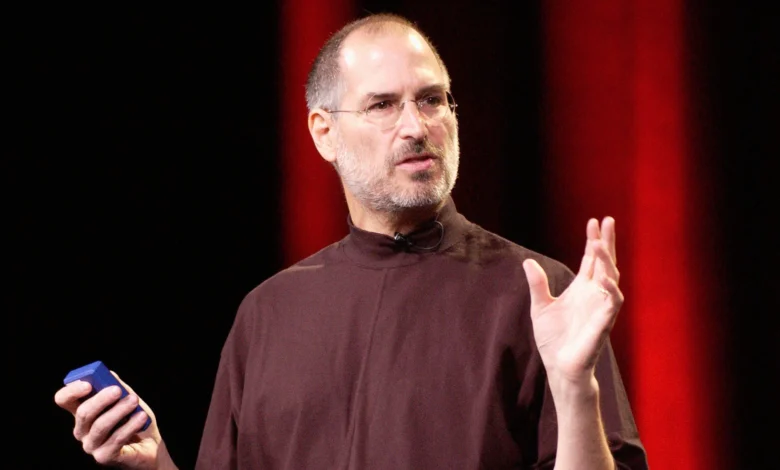
The Apple co-founder understood that hiring brilliant people means little if you won’t give them the freedom to challenge your thinking.
EXPERT OPINION BY MARCEL SCHWANTES, INC. CONTRIBUTING EDITOR, EXECUTIVE COACH, SPEAKER, AND AUTHOR @MARCELSCHWANTES

Steve Jobs was known for his vision, relentless focus, and ability to bring extraordinary ideas to life. But as he matured as a leader, he came to appreciate something many bosses still struggle to accept: Sometimes the smartest thing a leader can do is step aside and let others take the lead.
Jobs understood that hiring brilliant people meant little if you weren’t willing to listen to them, especially when they disagreed with you. He wanted employees who could challenge conventional thinking, question decisions, and offer better solutions, even if that meant pushing back against the boss.
His philosophy was captured in one of his most memorable quotes:
“It doesn’t make sense to hire smart people and then tell them what to do; we hire smart people so they can tell us what to do.”
Give smart people room to make decisions
Jobs knew that Apple’s success depended on more than his own ideas. The company’s greatest innovations came from talented people working together, sharing expertise, and having the freedom to solve difficult problems.
Refreshed leadership advice from CEO Stephanie Mehta
He also understood that employees closest to customers often have insights that executives sitting several levels above them simply don’t. These are the people who understand what customers need, where frustrations exist, and how products or services can improve.
In an ideal world where C-suite leaders demonstrate servant leadership, the better approach is always to give capable people the authority to make decisions, share information openly, and remove unnecessary approval layers that slow everyone down.
Trust is where great leadership begins
Jobs’s belief in people wasn’t something he discovered overnight. During a difficult chapter of his career, he shared an important insight in a 1994 interview with Rolling Stone:
Source: www.inc.com